From Idea to Viral: A Step-by-Step Workflow for Using AI to Get Viral Content Ideas
Postigniter Team
July 23, 2026
Most creators hit the same wall: they open a blank document, stare at it, and wait for inspiration. That's not a workflow — it's a lottery. A viral content generator changes the equation entirely, shifting ideation from guesswork to a repeatable, data-backed system. This tutorial walks you through exactly that system, step by step, so you can go from zero idea to a fully formed, platform-optimized post that has a real shot at breaking through the noise.
The honest truth? Virality is never guaranteed. But the creators who consistently produce breakout content aren't luckier than you — they're more systematic. They combine trend signals, AI ideation, and platform-native knowledge into a pipeline that runs every single week. That's what we're building here.
Why Most Ideation Advice Fails (And What Actually Works)
The standard advice is "check trending hashtags and post consistently." That's not wrong — it's just incomplete. Trending hashtags tell you what's already popular, which means you're already late. By the time a topic trends on Twitter, the early adopters have already captured the engagement spike.
What actually works is a two-layer approach: catching trends early using leading indicators, then using AI to rapidly generate angles that fit your specific audience and platform. Neither layer alone is enough. Trend data without an AI ideation layer gives you raw signals you don't know what to do with. AI ideation without trend data gives you clever ideas nobody cares about right now.
A 2024 study by HubSpot found that 45% of marketers who used AI in their content creation process reported higher content performance compared to those who didn't. That gap widens when AI is used at the ideation stage, not just the writing stage. The system below is built around that insight.
Step 1 — Mine Leading Trend Signals Before They Peak
Forget trending pages. Instead, look at pre-trend signals — places where ideas gain traction before they hit mass awareness. Here are the three most reliable sources:
- Reddit's "Rising" tab: Posts gaining velocity in niche subreddits (r/entrepreneur, r/fitness, r/personalfinance) often predict what will hit mainstream social 48–72 hours later.
- Google Trends "Breakout" searches: A breakout label means search volume grew more than 5,000% — these are early-stage explosions, not lagging indicators.
- TikTok's "For You" page (cold account): Create a fresh TikTok account with no follows and no watch history. What surfaces is what the algorithm is currently pushing to cold audiences — a direct window into emerging content formats.
Spend 15 minutes each morning scanning these three sources. Don't analyze yet — just capture. Paste raw signals into a running doc or Notion board. You're building raw material for the AI step that comes next.
One common mistake here: creators confuse volume with relevance. A topic trending in a subreddit with 2 million members may be completely irrelevant to your audience. Filter every signal through one question: "Would my specific audience share this with someone they know?" If the answer isn't immediately yes, move on.
Step 2 — Feed Your Signals Into an AI Viral Content Generator
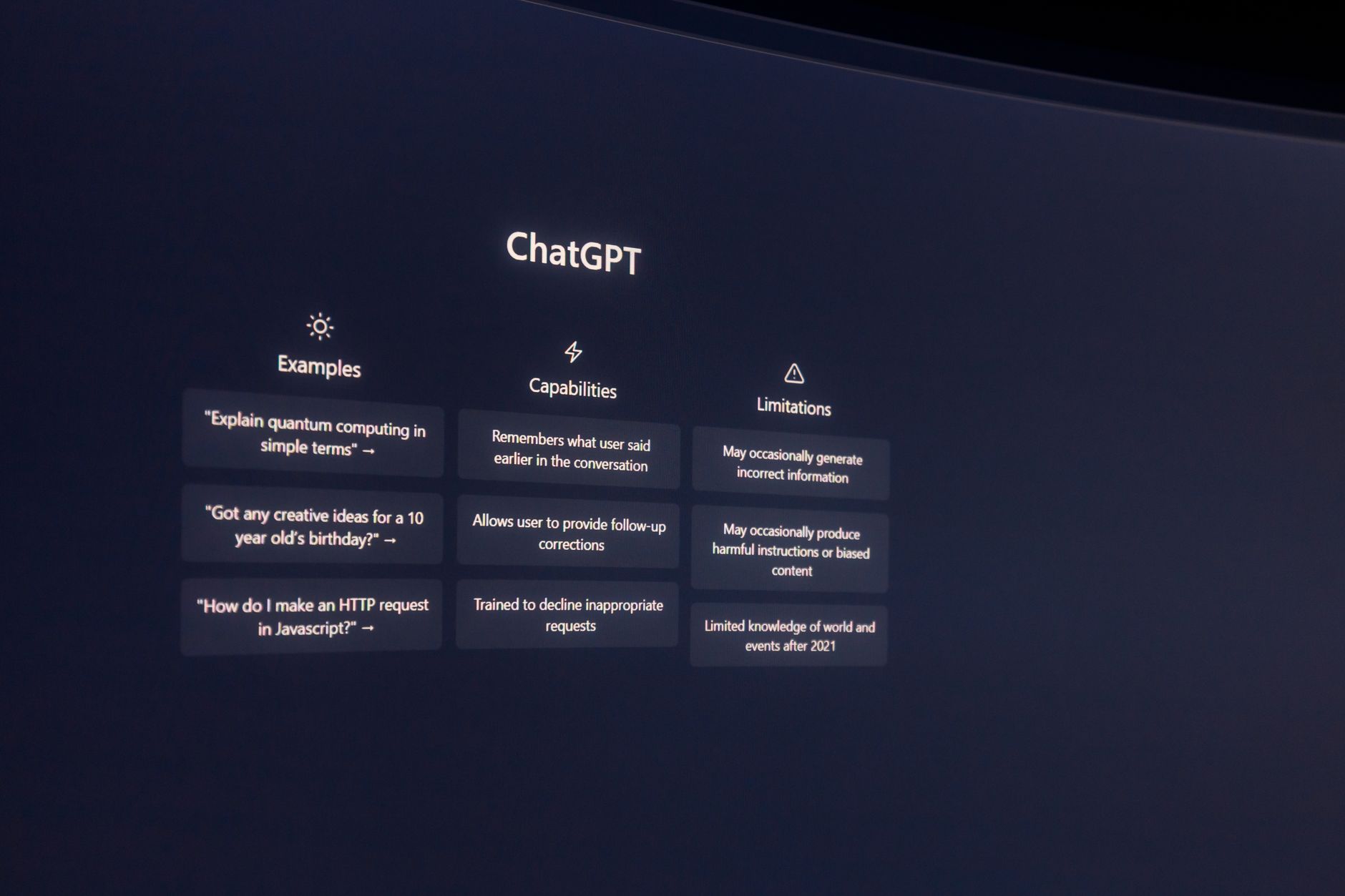
Raw trend signals are just fuel. The AI is the engine. This is where most tutorials drop the ball — they say "use ChatGPT" without explaining how to prompt it for viral ideation specifically. Generic prompts produce generic output. Here's a framework that works.
Start with what we call the Trend-Angle-Audience (TAA) prompt structure:
- Trend: State the raw signal you found. Example: "People on Reddit are discussing 'quiet luxury' aesthetics as a backlash to maximalist fashion."
- Angle: Tell the AI what type of content you want. Example: "Generate 10 Instagram Reel concepts that take a contrarian angle on this trend."
- Audience: Specify your niche. Example: "My audience is budget-conscious women aged 25–35 who love fashion but shop at H&M and Zara."
A TAA prompt produces dramatically better ideas than "give me viral Instagram content ideas." The specificity forces the AI to generate concepts that are both timely and relevant — the two things that drive shares.
For platform-native caption and hook generation, tools like Postigniter's Post Hook Generator are built specifically for this. Rather than generic output, they're optimized for the scroll-stopping first line that determines whether someone stops or keeps scrolling. Pair that with the AI Post Generator to turn your hook into a full, publish-ready post in seconds.
Run your TAA prompt, collect the 10 ideas the AI generates, and then rank them. Don't keep all 10. Pick the top 3 based on this filter: high emotional charge + low production barrier + platform fit. An idea that makes people feel something, requires only a phone to execute, and matches the native format of your target platform is your winner.
Step 3 — Validate Ideas With Engagement Signals Before You Create
Here's a step most creators skip entirely — and it's the one that separates a 500-view post from a 50,000-view post. Before you spend time producing content, validate the idea.
Validation doesn't mean polling your audience (too slow) or A/B testing (too resource-heavy for solo creators). It means a 10-minute search sprint:
- Search your core concept on YouTube. Sort by "View count" and filter to the past 6 months. If similar videos are pulling 100K+ views, demand exists. If the top result has 3,000 views, reconsider.
- Search the same concept on TikTok. Look at the engagement rate, not just the view count. A video with 200K views and 500 comments has real resonance. One with 200K views and 12 comments was boosted by the algorithm but didn't connect.
- Use Postigniter's Engagement Rate Calculator to benchmark what "good" looks like for your niche and platform before you commit to a concept.
This validation step takes 10 minutes. It can save you 3 hours of production time on a concept that was never going to land. Do it every time.
According to Sprout Social's 2024 Social Media Statistics, content that taps into existing audience curiosity — rather than trying to create new curiosity — generates 3x the average engagement rate. Validation is how you confirm that existing curiosity is real.
Step 4 — Build the Post Using Platform-Native Formats
Platform fit is non-negotiable. A concept that would kill on Instagram Carousels will flatline as a TikTok talking-head video, and vice versa. Once you've validated your idea, the next decision is format — and format should be dictated by the platform's current algorithmic preferences, not your personal comfort zone.
Here's a quick reference for what's working in 2025:
- Instagram: Carousels (7–10 slides) and Reels under 30 seconds. Carousels get saved and reshared; saves signal quality to the algorithm. Use the Carousel Generator to structure your slides fast.
- TikTok: Videos between 21–34 seconds with a hook in the first 2 seconds. Text overlays boost retention significantly.
- YouTube: Shorts (under 60 seconds) for discovery; long-form (8–15 minutes) for search. The title carries disproportionate weight on YouTube — test 3 title variations before publishing.
- LinkedIn: Text-only posts or single-image posts outperform video. Contrarian takes and personal stories get the most comments.
Timing matters just as much as format. Posting a perfect Reel at the wrong hour can cut your reach by 40%. Check the data-backed best times for your specific platform — Postigniter's Best Time to Post guides break this down by platform, day, and audience type.
Step 5 — Optimize Captions and Headlines Before You Publish
The idea and the format are set. Now the copy does the heavy lifting. A weak caption on a strong video is a conversion failure — you've earned the click but lost the follow, the save, or the share.
Strong captions for viral content follow a consistent structure: hook → value statement → CTA. The hook mirrors the video's opening line to create continuity. The value statement tells the reader exactly what they gain by engaging. The CTA is specific — "Save this for later" outperforms "Follow for more" by a significant margin because it asks for a concrete, low-friction action.
For image-based posts, the caption needs to work independently of the visual. Use the Image Caption Generator to generate caption variants optimized for each platform's tone. Then run your top picks through the Caption Ranker to identify which version is most likely to drive engagement before you commit.
One often-overlooked optimization: keyword placement in captions affects discoverability on Instagram and TikTok, both of which now index caption text for search. Put your primary keyword in the first line of the caption, not buried at the end after a wall of hashtags.
Step 6 — Repurpose, Don't Recreate
A single viral idea should generate content for at least three platforms and two weeks of posting. Most creators treat each platform as a separate content silo, which means they're working 4x harder than necessary for a fraction of the potential reach.
The repurposing logic is simple: your TikTok video becomes an Instagram Reel. The key points become a LinkedIn text post. The full argument becomes a YouTube video. The stats and takeaways become an Instagram Carousel. One core idea, four pieces of content, four different audiences reached.
Postigniter's Content Repurposer tool automates this translation, adapting tone, format, and length for each platform automatically. What used to take 90 minutes of reformatting now takes under 5. Get started with it today and see how much production time you reclaim in a single week.
Common Mistakes That Kill Viral Potential
Even with a solid workflow, a few predictable errors will tank your results. Watch for these:
- Copying the trend too literally: If your content looks exactly like what's already trending, you're noise. The viral ideas that break through are the ones that take the trend and twist it — add a contrarian take, apply it to an unexpected niche, or tell a personal story through it.
- Ignoring the first 2 seconds: On TikTok and Reels, 60–70% of viewers decide whether to keep watching within the first 2 seconds. If your hook is weak, your retention graph collapses immediately, and the algorithm stops pushing the video. Use the Post Hook Generator to test multiple openers before you film.
- Over-relying on hashtags: Hashtags are a discovery supplement, not a distribution engine. On TikTok, the algorithm uses watch time and completion rate to determine reach — hashtags are secondary. On Instagram, keyword search has largely replaced hashtag browsing for discovery.
- Publishing and disappearing: The first 30–60 minutes after posting are critical. Reply to every comment, respond to DMs, and share the post to your Stories. Early engagement signals tell the algorithm the post is worth pushing to a wider audience.
None of these mistakes are fatal on their own. Combined, they're why a well-researched, well-produced post gets 200 views instead of 20,000. Fix the workflow, and the numbers follow.
Putting the Full System Together
Here's the complete workflow at a glance:
- 15 minutes: Mine Reddit Rising, Google Trends Breakout, and TikTok cold FYP for pre-trend signals.
- 10 minutes: Run a TAA prompt through an AI viral content generator. Collect 10 ideas, filter to the top 3.
- 10 minutes: Validate your top idea using YouTube search, TikTok engagement analysis, and an engagement rate benchmark.
- Variable: Produce the content in the platform-native format best suited to the idea.
- 10 minutes: Write and rank captions. Optimize keyword placement. Set your posting time using platform-specific best-time data.
- Ongoing: Repurpose the core idea across platforms. Engage actively in the first hour after posting.
Total active ideation and planning time: under 45 minutes. That's the promise of an AI-first system — it doesn't replace your creativity, it compresses the time between raw signal and publish-ready concept dramatically.
The creators consistently producing viral content aren't working harder. They've built a system that works while they sleep. Discover how Postigniter's full suite of AI tools can plug directly into each step of this workflow at postigniter.com/tools — and join the 12,000+ creators already using it to turn ideas into reach.
Virality isn't magic. It's a process. Build the process, and the results take care of themselves.
Tags
Postigniter Team
The Postigniter team shares practical tips and strategies to help creators grow their online presence.