The Growth of Social Media in 2026: What Brands Need to Know to Stay Ahead
Postigniter Team
May 24, 2026
Social media in 2026 is no longer just a distribution channel—it’s a discovery engine, a search layer, a community hub, and increasingly, a sales funnel. Brands that still treat it as a place to “post and hope” are falling behind fast. The growth of social media has reshaped how people research products, evaluate expertise, and decide who to trust.
What changed? Three big forces: AI-powered content creation, short-form video dominance, and the rise of social search. But the real shift is deeper than formats and algorithms. In 2026, audiences expect more useful content, more authenticity, and more proof that a brand understands their needs. That means stronger content strategy, better audience insight, and smarter execution across platforms.
For brands, this is both an opportunity and a challenge. The opportunity is massive: more ways to reach buyers, build trust, and convert attention into action. The challenge is equally real: competition is higher, content is more saturated, and the bar for relevance keeps rising. This article breaks down the social media growth trend in 2026 and what it means for brands that want sustainable results.
Why the Growth of Social Media Matters More in 2026
The growth of social media has accelerated the way consumers discover brands. In the past, social platforms were mainly for entertainment and awareness. Now, they influence the full buyer journey—from first impression to final purchase.
Recent industry analysis from sources like Sprout Social, Coursera, and major marketing reports shows the same pattern: social media is becoming more intent-driven. Users are searching within platforms, comparing options, watching creator reviews, and making purchase decisions without leaving the app.
This matters because brands can no longer rely on broad reach alone. To win in 2026, they need content that aligns with intent, answers questions, and builds trust quickly. That includes educational posts, behind-the-scenes content, short-form video, creator partnerships, and social proof.
Social media and marketing are now inseparable
The relationship between social media and marketing has evolved from “supporting channel” to central business function. Social is no longer just where brands promote campaigns. It’s where they test messaging, collect feedback, shape perception, and drive revenue.

In practical terms, marketing on social media now requires:
- Clear positioning and consistent brand voice
- Platform-specific content formats
- Strong retention-focused creative
- Measurement beyond vanity metrics
- Community management and real-time engagement
Brands that adapt to this reality are seeing stronger engagement and better conversion quality. Those that don’t are often left with likes but no lift in business results.
What is a Content Strategy in 2026?
One of the most common questions marketers still ask is: what is a content strategy, and why does it matter so much now? In 2026, content strategy is the plan that connects audience needs, platform behavior, brand goals, and performance metrics.
It is no longer enough to publish random posts around trends. A modern content strategy defines:
- Who you’re trying to reach
- What problems you solve
- Which formats perform best on each platform
- How often you publish
- How you measure success
For brands, the answer to what is a content strategy is simple: it’s the system that turns attention into predictable growth. In a crowded digital landscape, strategy beats volume.
What is a content strategy when social search is growing?
When users search TikTok, Instagram, and YouTube for answers, content must be discoverable and useful. That means writing captions, hooks, titles, and descriptions that reflect real search behavior—not just creative branding language.
This is where SEO and social content overlap. Brands that understand this are winning more visibility across feeds and search results. For creators and marketing teams alike, the social media growth trend is increasingly tied to searchable, solution-driven content.
Key Social Media Trends Brands Must Watch in 2026
1. AI-generated content is mainstream, but authenticity still wins
AI has become embedded in content workflows, from brainstorming to editing to publishing. But the explosion of AI-generated content has also made feeds noisier than ever. Users can spot generic content quickly, and they are rewarding originality, personality, and real insight.
That means brands should use AI to speed up production, not replace strategic thinking. AI can help with drafts, headlines, outlines, and repurposing, but human judgment is still needed for tone, relevance, and trust.
Tools that support ideation and optimization matter more than ever. For example, creators and marketers can use YouTube Title Generator to craft stronger search-friendly titles, or Instagram Caption Generator to produce captions that feel polished while still sounding human.
2. Short-form video remains the dominant growth format
Short-form video continues to drive discovery on TikTok, Instagram Reels, and YouTube Shorts. But in 2026, the focus is shifting from pure entertainment to usefulness. Educational clips, product demos, tutorials, and opinion-led videos are performing especially well.
Brands should focus on:
- Hook in the first 1–2 seconds
- Fast pacing and clear visual payoff
- One idea per video
- Captions that support search and accessibility
- Strong CTA without sounding overly promotional
This is especially important for b2b social media marketing, where decision-makers increasingly consume short-form video to evaluate tools, services, and expertise.
3. Social search is changing how people discover brands
Search behavior has shifted. More users now search within social platforms before they ever use Google. They want real examples, product reviews, quick explainers, and creator recommendations. That shift changes how brands should think about discoverability.
To improve visibility in social search, brands should:
- Use natural keywords in captions and titles
- Write clear descriptions
- Optimize profile bios and pinned content
- Create content around common questions
- Use relevant hashtags without overstuffing
Brands that want better discovery should also explore YouTube Keyword Generator to identify relevant search terms and content angles that align with audience demand.
4. Community building is outperforming follower counts
In 2026, brands are learning that a smaller engaged audience often delivers more value than a large passive one. Community building drives deeper loyalty, stronger word-of-mouth, and better conversion rates.
This is especially true for brands in competitive categories where trust matters. Replies, comments, polls, creator collabs, and community-first series all help brands feel more human and more useful.
The growth of social media has created more audiences, but not necessarily more attention. Brands must earn attention through consistency and relevance.
5. Social commerce continues to rise
The buying journey is getting shorter. Users can discover, evaluate, and purchase products without leaving their favorite app. Social commerce, product tags, live shopping, and in-app checkout features are making social media a real revenue channel.
For brands, this means content should be designed with conversion in mind. Product launches, testimonial clips, demo videos, creator reviews, and FAQ content all support purchase decisions.
Best practice: combine entertaining content with trust-building content. The goal is not to push harder, but to remove friction from the decision process.
What the Social Media Growth Trend Means for Brands
The social media growth trend is not just about more users. It’s about more complexity. Brands need a stronger operating model if they want to keep up.
Brands need to act more like media companies
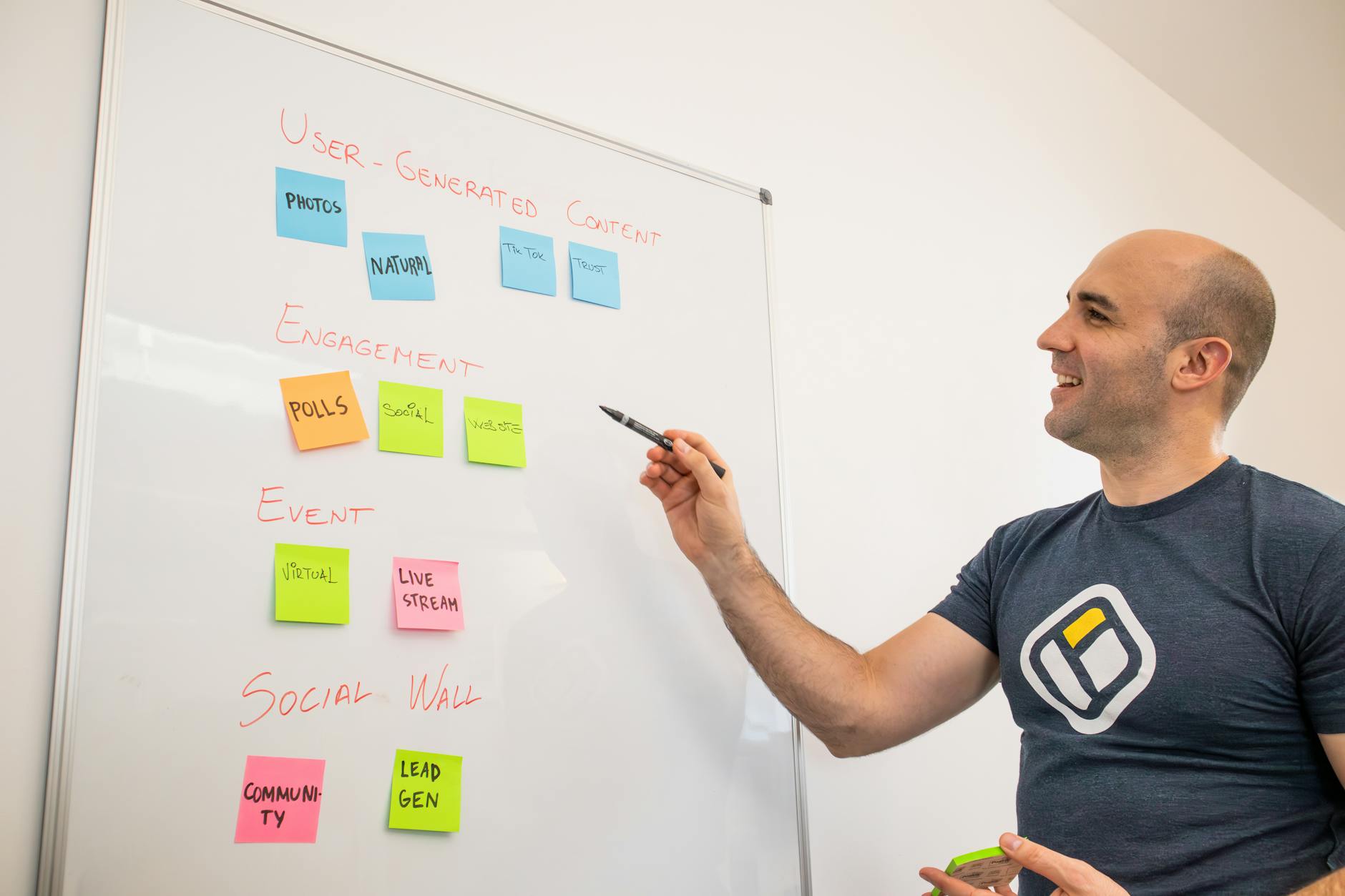
Successful brands now publish like publishers. They use content pillars, recurring formats, audience research, and performance analytics to build a system—not just a feed.
This means planning content across:
- Top-of-funnel discovery
- Mid-funnel consideration
- Bottom-funnel conversion
- Post-purchase loyalty
That is why the most effective teams treat social media marketing all-in-one for dummies-style thinking as a warning sign: if the strategy is too simple, it probably won’t scale. Social media today requires an integrated system, not a shortcut.
Brands need better analytics and faster iteration
In 2026, guessing is expensive. The best-performing teams analyze watch time, saves, shares, CTR, conversion data, and retention patterns to understand what truly works.
Content should be reviewed weekly, not quarterly. The faster a brand can identify winning hooks, topics, and formats, the faster it can scale.
For deeper channel insight, brands can use YouTube Channel Analyzer to study performance patterns and content opportunities. This is especially valuable for teams building a video-first growth strategy.
How Brands Can Build a Stronger Social Media Strategy in 2026
1. Start with audience intent
Every strong strategy begins with understanding what the audience wants. Are they looking for entertainment, education, comparison, inspiration, or proof?
Content that matches intent will outperform content that simply “looks good.”
2. Build around repeatable content pillars
A scalable content strategy includes consistent themes. Examples:
- Educational tips
- Behind-the-scenes content
- Customer proof
- Industry commentary
- Product education
This helps brands stay recognizable and efficient while still giving the algorithm enough variety to test performance.
3. Optimize for search and retention
Write titles, captions, and descriptions that are clear, specific, and relevant. Strong search signals help people find your content. Strong retention signals help platforms distribute it further.
For YouTube, that means titles and descriptions matter a lot. A tool like YouTube Description Generator can help brands create more structured, keyword-aware copy that supports both SEO and viewer clarity.
4. Use video for education, not just promotion
Brands often overuse promotional messaging. In 2026, education is one of the fastest ways to build trust. Tutorials, walkthroughs, myth-busting, and “how it works” videos often outperform overly polished ads because they answer real questions.
This is also where topics like deep learning tutorials and technical education content show how audiences now expect value-first content across platforms—even from brands outside the tech space.
5. Humanize the brand
Audiences increasingly want to know who is behind the brand. Founder-led content, team stories, customer responses, and honest commentary help create a more human presence.
Authenticity is not about being casual at random. It is about being clear, consistent, and believable.
What B2B Social Media Marketing Looks Like in 2026
B2B social media marketing has changed dramatically. It is no longer just a place for lead generation ads or company updates. It is now a major trust-building and demand-shaping channel.
B2B brands are succeeding when they use social to:
- Educate buyers before they talk to sales
- Show proof through case studies and demos
- Build founder authority
- Create thought leadership around industry changes
- Support retention through community and customer success content
Because buying committees often research across multiple touchpoints, social content can influence perception long before a formal sales conversation begins.
For teams running video-heavy B2B campaigns, YouTube Video Analyzer can help identify which videos are holding attention and where audience drop-off occurs, giving marketers clearer direction for next-step optimization.
Practical Ways to Adapt Your Brand Strategy Now
Audit your current content mix
Look at your last 30–60 days of content. Are you overproducing promotional posts? Are your best-performing posts educational? Do your captions align with search intent? The answers will show where your strategy needs adjustment.
Repurpose with purpose
One strong idea should become multiple assets: a short video, a carousel, a quote post, a story, a newsletter snippet, and a blog section. Repurposing helps maintain consistency without overwhelming your team.
Invest in channel-specific creative
What works on YouTube may not work on Instagram. What works on TikTok may not work on LinkedIn. Brands should adapt their message to each platform’s native behavior rather than pushing identical content everywhere.
Improve production speed without lowering quality
Content velocity matters, but quality still wins. The answer is workflow optimization: better templates, clearer briefs, reusable frameworks, and smarter AI support.
If you need help generating ideas quickly, TikTok Video Idea Generator can accelerate brainstorming for trend-aware content, while Instagram Reel Idea Generator can help produce fresh, platform-native concepts.
Try These Free Tools
- YouTube Title Generator — Create stronger, search-friendly video titles that improve click-through rates.
- Instagram Caption Generator — Generate polished captions that fit your brand voice and improve engagement.
- YouTube Keyword Generator — Find relevant keywords to support discoverability and content planning.
Conclusion
The growth of social media in 2026 is redefining how brands earn attention, build authority, and drive revenue. The winners will not be the brands posting the most. They will be the brands with the clearest strategy, the strongest audience understanding, and the best ability to adapt.
If your team wants to stay competitive, focus on content that is useful, searchable, authentic, and measurable. Build around repeatable systems, not one-off trends. Use AI to move faster, but rely on human insight to stand out. And remember: in 2026, social media is not just about visibility. It’s about trust, intent, and long-term growth.
Tags
Postigniter Team
The Postigniter team shares practical tips and strategies to help creators grow their online presence.