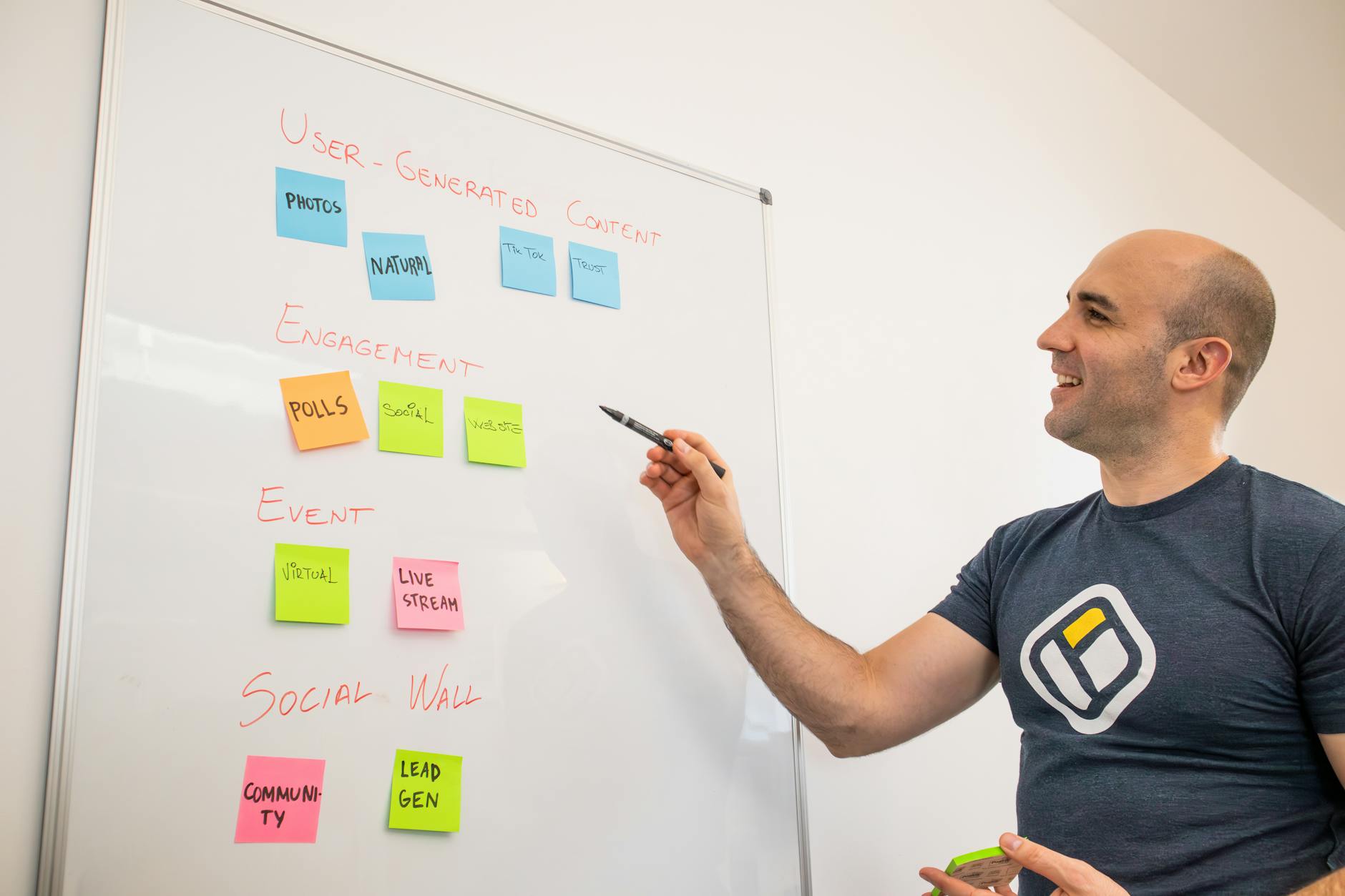
What Is Content Strategy in 2026? A Simple All‑In‑One Guide
Lisa Terra
June 07, 2026
What Is Content Strategy in 2026?

Content strategy in 2026 involves an end-to-end system for planning, creating, distributing, and measuring content that drives business results across search, social, email, and AI assistants. It connects your audience insights, brand positioning, and marketing goals to a well-defined content plan and then uses data and AI to improve performance continuously.
However, if older guides felt like social media marketing all-in-one for dummies, today’s reality is more complex. Content has to perform on Google, Instagram, TikTok, YouTube, LinkedIn, and inside AI search results—all at once. This guide breaks it down simply, so you can build a content strategy that still works when algorithms change tomorrow.
Why Content Strategy Matters More in 2026
The growth of social media, creator-led brands, and AI search has made random posting and one-off campaigns ineffective. A modern content strategy matters because it:
- Aligns content with revenue – you create content to move specific business metrics, not just “get views.”
- Clarifies your message everywhere – AI assistants, search results, and social feeds all need consistent signals about who you are and what you do.
- Scales your content operations – you can brief teams, agencies, or AI tools with the same source of truth.
- Improves discoverability – strategic SEO and social planning ensure your content ranks and gets recommended.
- Feeds AI and recommendation systems – structured topics and authority on a niche make it easier to “own” AI overviews and social recommendations.
What Is a Content Strategy? Core Definition and Components
If you’ve been wondering “what is content strategy” or “what is a content strategy”, here is a simple 2026 definition:
A content strategy is a documented plan that defines what content you will create, for whom, why, where it will live, how it will be distributed, and how success will be measured over time.
Furthermore, modern content strategy covers:
- Business goals (revenue, pipeline, retention)
- Audience and customer journeys
- Positioning and message architecture
- Topics, keywords, and content pillars
- Formats and channels (blog, YouTube, Instagram, TikTok, email, podcast)
- Distribution and promotion (marketing on social media, SEO, partnerships)
- Measurement and optimization loops
How Content Strategy Has Evolved by 2026
Classic content marketing strategy focused heavily on ranking blog posts and capturing email leads. In 2026, content strategy looks different in three key ways:
- AI-aware planning – strategies now consider how content appears inside AI overviews, chat assistants, and recommendation systems, not just traditional SERPs.
- Social-first storytelling – short-form video and carousels on Instagram, TikTok, and YouTube Shorts are often the first touchpoint with your brand.
- Full-funnel integration – content is mapped to awareness, consideration, and decision stages across channels, including B2B social media marketing and B2C funnels.
Step 1: Tie Content Strategy to Business Goals
A strong content strategy starts with clear business outcomes, not channels or formats.
Define Business and Marketing Objectives
Examples of measurable goals include:
- Increase qualified demo requests from organic search by 30%.
- Grow email list by 5,000 subscribers from social content.
- Improve free-to-play conversion from educational content on YouTube.
As a result, link your goals to specific content KPIs, such as organic traffic, watch time, lead captures, or self-reported attribution.
Connect “Social Media and Marketing” to Revenue
In 2026, social media and marketing are inseparable: social is where distribution, discovery, and validation happen. Therefore, to keep your strategy accountable:
- Define how marketing on social media supports each stage of the funnel.
- Use tracking (UTMs, CRM, attribution questions) to connect content touchpoints to deals or sales.
Step 2: Know Your Audience in Detail
Modern content strategy requires deep audience data, not guesses. According to leading guides, content strategists start by researching current content performance and user behavior before creating anything new.
Map Personas and Journeys
Moreover, use analytics, interviews, and platform insights to map:
- Who your primary segments are (roles, industries, problems).
- Where they spend their time (search, YouTube, Instagram, LinkedIn, TikTok).
- What questions do they ask at each stage of awareness?
Audit Existing Content
Before you create new assets, audit what you already have to find gaps and opportunities.
- Identify top-performing URLs and posts by traffic, conversions, and engagement.
- Mark content to keep, update, merge, or retire based on performance and relevance.
Step 3: Build Your Topic, Keyword, and Channel Strategy
From “What Is Social Media Marketing” to Your Own Topic Clusters
Keyword research in 2026 goes beyond search volume—you are building topic clusters around questions your audience and AI tools care about.
- Start with broad questions like what social media marketing is, what a content strategy is, or what a content strategy is.
- Use SEO tools, “People Also Ask” boxes, and AI prompts to uncover subtopics and long-tail questions.
- Group them into 3–5 content pillars (e.g., Strategy Fundamentals, Channel Playbooks, Analytics & Measurement, AI & Automation).
Align Channels with Audience Behavior
Channel selection should be intentional, based on where your audience is active and how they prefer to consume content.
- Search + Blog – evergreen, long-form content for depth and SEO.
- YouTube – visual explanations, tutorials, deep-dive content.
- Instagram & TikTok – short-form storytelling, community, visual brand.
- LinkedIn – especially critical for B2B social media marketing and thought leadership.
Step 4: Plan Formats, Cadence, and Workflows
Choose the Right Mix of Content Types
According to leading content strategy frameworks, you should balance different content types that map to your funnel and resources.
- Pillar content – in-depth guides and videos that answer core questions.
- Supporting content – posts and clips that drive traffic back to pillars.
- Conversion content – case studies, demos, comparison pages.
- Community content – behind-the-scenes, Q&A, live streams.
Create a Realistic Publishing Cadence
In 2026, quality and consistency matter more than sheer volume. Recent SEO and blogging research suggests focusing on content that deeply matches search intent rather than chasing word count alone. Choose a cadence you can sustain for at least 6–12 months.
- Repurpose long-form assets into multiple posts and short videos.
- Document workflows and responsibilities so the system is repeatable.
Step 5: Optimize for Search, Social, and AI
SEO Content Strategy in 2026
An effective SEO content strategy now requires both classic on-page optimization and AI-aware structuring.
- Match search intent perfectly and cover topics comprehensively.
- Include your primary keyword in URL, title, H1, introduction, and at least one H2.
- Use related terms naturally instead of forcing exact matches. Structure with clear headings, short paragraphs, and scannable lists.
Social Media Growth and Distribution
Therefore, the social media growth curve over the past few years means you cannot rely on organic search alone. A modern content strategy bakes in distribution from day one:
- Plan platform-native hooks, angles, and visuals for each major asset.
- Use content series to train algorithms and audiences to expect your content.
- Leverage creators, partners, and employees to extend reach.
Using Postigniter Tools to Improve Social Content
AI-assisted workflows are now standard. For example, you can use the Instagram Caption Generator to quickly draft multiple caption variations for a single content pillar. Then select and refine the best option for engagement. For growth on TikTok, the TikTok Video Idea Generator helps you spin one strategic topic into dozens of short-form concepts tailored to trends and hooks on the platform.
Step 6: Measure, Learn, and Iterate
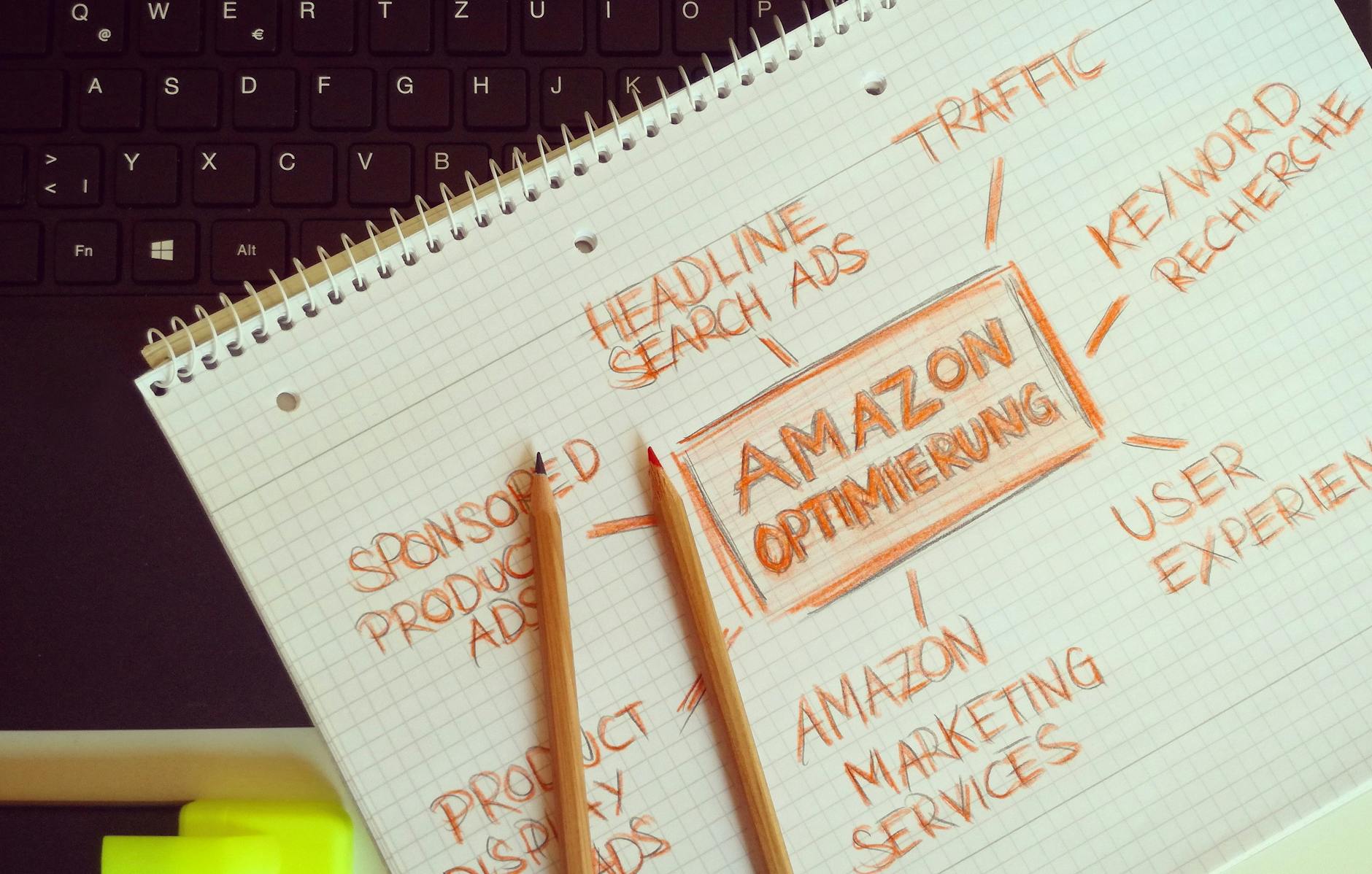
According to leading content strategy guides, measurement and optimization are non-negotiable steps in any strategy.
Define Your Measurement Framework
Track metrics at three levels:
- Visibility – impressions, rankings, reach, brand search volume.
- Engagement – watch time, click-through rate, saves, shares, comments.
- Outcomes – leads, demos, trials, revenue, retention.
Schedule regular content reviews—monthly for tactical optimizations and quarterly for strategic adjustments.
Analytics for YouTube and Video Content
Video now plays a central role in many content strategies. Tools like the YouTube Video Analyzer can help you assess watch time, audience retention, and title performance so you can refine thumbnails, hooks, and topics for stronger results over time.
Explore more strategies from HubSpot Learn from the Content Marketing Institute.
Content Strategy for B2B Social Media Marketing
B2B social media marketing has matured significantly. In 2026, B2B buyers rely on LinkedIn, YouTube, and niche communities throughout their research process, often before they ever talk to sales.
Key Principles for B2B Content Strategy
- Lead with expertise – in-depth educational content, not surface-level tips.
- Humanize the brand – founders and subject-matter experts as visible creators.
- Close the loop with sales – use feedback from sales calls and demos to refine topics and objections addressed in content.
How to Make Your Strategy Truly All-In-One
An all-in-one content strategy does not mean posting everywhere all the time. It means:
- One central narrative about who you are and whom you serve.
- One documented strategy that connects goals, topics, channels, and measurement.
- One shared calendar that coordinates SEO, email, and social campaigns.
This is how you move beyond fragmented efforts and into a true “all-in-one” approach to social media and marketing.
Try These Free Tools to Supercharge Your Content Strategy
- Instagram Caption Generator – instantly draft on-brand captions tailored to your post goals and audience.
- TikTok Video Idea Generator – turn one strategic topic into dozens of TikTok concepts aligned with current trends.
- YouTube Video Analyzer – analyze viewer behavior to improve titles, hooks, and overall video performance.
Putting It All Together
Content strategy in 2026 is no longer just about publishing more—it’s about publishing with purpose. By defining clear goals, understanding your audience, structuring your topics, optimizing for both search and social, and using AI tools thoughtfully, you can build a resilient system that grows with your brand and with the platforms themselves.
Start small: choose one key audience, one core problem you solve, and one main channel, then build your content strategy from there. As your systems mature, you can expand into a truly all-in-one strategy that supports sustainable growth across every major platform.
Tags
Lisa Terra
Content creator and social media strategist sharing tips to help you grow your online presence.