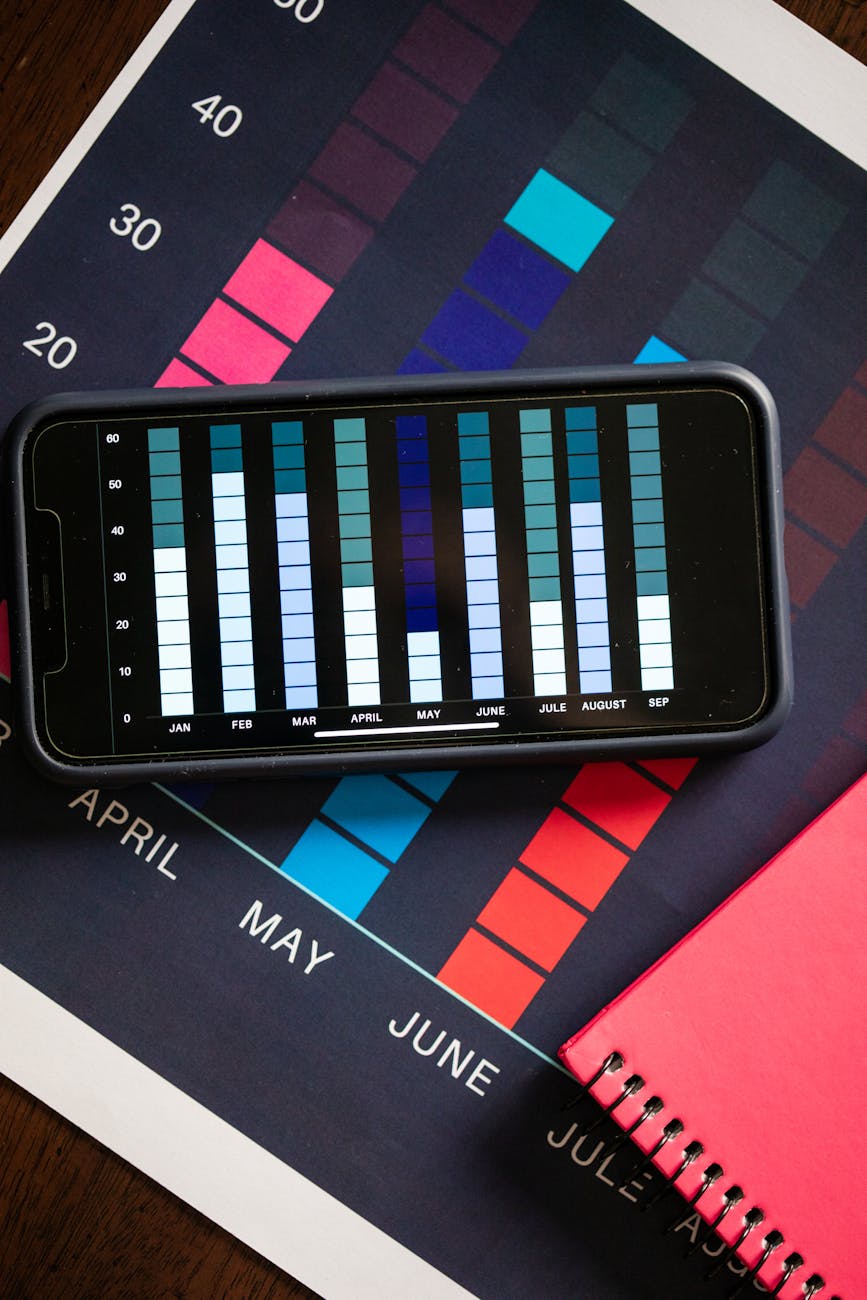
YouTube Channel Growth Chart: Map Your 1K Subs by July 2026
Lisa Terra
June 09, 2026
If your goal is to hit 1,000 subscribers by July 2026, the smartest move is to stop guessing and start using a YouTube channel growth chart that turns growth into weekly actions. In 2026, the winning channels are not chasing viral luck. Instead, they build a repeatable system around Short's discovery, search optimization, strong thumbnails, and consistent analytics review.
What a YouTube Channel Growth Chart Actually Does
A YouTube channel growth chart is a planning tool. It maps your subscriber target to specific content, publishing, and optimization milestones. Instead of treating 1,000 subscribers as a vague dream, you can break it down into measurable weekly and monthly goals. With this approach, every upload contributes to the total.
For a smaller channel, this matters because YouTube growth in 2026 is described by multiple guides as a compounding process, not a one-video event. That means your chart should track the inputs that drive growth: upload cadence, click-through rate, retention, returning viewers, and subscriber conversion from each video.
Your 1K Subscribers by July 2026 Roadmap
Step 1: Set the Math Behind the Goal
To reach 1,000 subscribers by July 2026, you need a clear baseline. If you are starting from zero in early June, you have roughly four weeks, making the target aggressive and execution-dependent. If you already have a few hundred subscribers, the chart becomes much more realistic because the goal is to scale what already works.

Use this simple framework:
- Monthly subscriber goal: total needed by July 2026 divided by weeks remaining
- Weekly upload goal: 1-2 long-form videos plus 15-30 Shorts monthly, which aligns with 2026 growth guidance.
- Weekly optimization goal: improve one metric at a time, such as thumbnail CTR or average view duration
- Weekly community goal: respond to comments in the first hour after upload to strengthen engagement signals.
Step 2: Build Your Growth Chart Around the Content Mix That Works in 2026
For example, current YouTube growth guidance emphasizes a hybrid model: long-form content for depth and authority, and Shorts as the primary discovery engine. That means your chart should not rely on one format alone if the goal is fast subscriber growth.
To implement this:
- Produce 4-8 long-form videos focused on searchable, high-intent topics
- Create 15-30 Shorts built around hooks, lessons, and standout moments
- Post 1-2 community updates to keep returning viewers engaged
This mirrors the 2026 recommendation to publish consistently while using Shorts to expand reach and long-form to convert attention into loyal subscribers.
Step 3: Choose Topics That Can Actually Convert Viewers into Subscribers
Not every view helps your channel grow. To move toward 1K subscribers, your videos need subjects that answer specific audience questions, solve problems, or create repeat viewing behavior. YouTube SEO guidance in 2026 continues to favor keyword-led topics, descriptive titles, and content built around search intent.
Strong topic types include:
- How-to tutorials
- Beginner guides
- Mistakes to avoid
- Comparisons and versus videos
- Best-of lists and ranked recommendations
These formats work because they match clear viewer intent and help your channel appear in search results, suggested feeds, and increasingly, AI-assisted discovery experiences.
How to Structure Your YouTube Channel Growth Chart
Your chart should track progress every week. A basic version can be built in a spreadsheet with these columns:
- Week
- Video topic
- Format: Short or long-form
- Target keyword
- Publish date
- Thumbnail CTR
- Average view duration
- Subscribers gained
- Top traffic source
Then assign each upload a purpose. For example, one video may be designed to rank in search, another to attract new viewers through Shorts, and another to convert viewers with a strong call to subscribe.
If you want to streamline the planning process, the YouTube Keyword Generator can help you surface topic ideas around your niche faster, while the YouTube Title Generator can help you turn those ideas into clickable, search-friendly titles.
What Matters Most for Growth in 2026
1. Thumbnails and Titles Still Make or Break the Click
Multiple 2026 growth guides stress that thumbnails and titles remain the first gate to performance. If people do not click, the rest of your strategy does not matter.
Best practices for 2026 thumbnails:
- Use high-contrast visuals
- Keep text short, ideally under five words
- Make the promise instantly clear on mobile
- Match the title and thumbnail message closely
Your title should support a keyword and a curiosity angle. That combination helps you earn both search visibility and strong click-through behavior.
2. SEO is Still Central, but Search is Broader Than Before
YouTube SEO remains important, but the playbook in 2026 is wider than title tags alone. Current guidance points to keyword research, rich descriptions, chapters, and transcript-friendly structure as part of ranking across YouTube Search, Google Search, and AI-powered discovery surfaces. However, consistency is also key.
That means every upload should include:
- A primary keyword in the title
- A concise description that summarizes the value
- Chapters for long-form videos
- Natural keyword variation in the script and metadata
For this stage, the YouTube Description Generator can save time by helping you create descriptions that are optimized for both viewers and search engines.
3. Shorts Are Your Fastest Discovery Lever
In 2026, Shorts are widely described as the primary discovery engine for newer channels. That does not mean Shorts should replace long-form content; it means they should feed your funnel.
A strong Shorts strategy follows a simple path:
- Hook fast in the first second
- Deliver one clear idea
- End with a payoff or next-step invitation
- Direct viewers to a related long-form video or playlist
Shorts can create reach quickly, but long-form videos usually do a better job of converting viewers into subscribers who stick around.
4. Engagement in the First Hour Matters
Several 2026 growth guides emphasize fast community engagement after upload, especially during the first hour. That means replying to comments quickly, pinning a useful comment, and encouraging discussion with a direct question.
This early activity can help your video gather momentum and signal that your content is worth watching and responding to.
A Realistic 4-Week Sprint to 1K Subscribers
Week 1: Build the Foundation
- Audit your channel banner, about section, and playlists
- Choose 3-5 pillar topics for your niche
- Research keywords and competitor videos
- Draft your first 2 long-form videos and 6-8 Shorts
Week 2: Publish and Test
- Upload 1-2 long-form videos
- Post 3-5 Shorts
- Test two thumbnail styles if possible
- Track CTR, retention, comments, and subs gained
Week 3: Double Down on What Works
- Identify the video with the strongest subscriber conversion
- Make a follow-up topic in the same format
- Repurpose winning long-form ideas into Shorts
- Refine your titles using keyword-based variations
Week 4: Optimize for Conversion
- Update underperforming thumbnails and titles
- Add clearer subscribe prompts where they fit naturally
- Refresh descriptions and chapters for searchability
- Review analytics and build the next 30-day plan
To accelerate the planning phase, the YouTube Video Analyzer can help you study the structure of high-performing content in your niche and identify patterns worth repeating.
Metrics to Watch on Your Growth Chart
If your goal is 1K subscribers, the most useful numbers are not vanity metrics. Watch the indicators that tell you whether growth is compounding.
- Impressions Click-Through Rate: tells you whether your packaging is working
- Average View Duration: shows whether viewers stay with the content
- Subscriber Conversion Rate: reveals how effectively a video converts viewers into followers
- Returning Viewers: indicates whether your channel is building loyalty
- Traffic Source Mix: helps you understand whether search, Shorts, or suggested videos are driving growth
A monthly analytics review is one of the most consistent recommendations in 2026 growth guidance, because it lets you decide what to repeat and what to stop producing.
Common Mistakes That Slow Subscriber Growth
- Uploading without a clear niche or topic cluster
- Ignoring keyword research and search intent
- Posting inconsistent formats with no repeatable system
- Using weak thumbnails that do not earn the click
- Making Shorts with no path into long-form content
- Failing to study analytics after each upload
These mistakes matter because YouTube's 2026 is described as a system that compounds over time, not a shortcut. For more guidance, visit the YouTube Creator Academy.
Try These Free Tools
- YouTube Title Generator — Generate stronger, click-worthy titles for both search and browse traffic.
- YouTube Keyword Generator — Find topic ideas and keyword angles that match your niche.
- YouTube Description Generator — Write cleaner, SEO-friendly descriptions faster.
How to Keep the Chart Working After July 2026
The most valuable YouTube channel growth chart is one you reuse every month. Once you reach your first major milestone, rebuild the chart around what your analytics actually prove is working, then scale the content formats that convert best.
If you stay consistent with search-backed topics, strong packaging, Shorts-led discovery, and monthly optimization, your first 1,000 subscribers become a foundation rather than a finish line.
Tags
Lisa Terra
Content creator and social media strategist sharing tips to help you grow your online presence.