The No Fluff Guide to Social Media Calendars for Small Business Owners
Postigniter Team
April 15, 2026
Struggling to Keep Up with Social Media? A Content Calendar is Your Secret Weapon
As a small business owner, you're juggling a million tasks. Furthermore, social media often falls to the bottom of the list. However, consistent posting is key to social media growth and building a loyal audience. Therefore, enter the social media calendar: a simple tool that organizes your content, saves time, and drives results without the overwhelm.
In this beginner-friendly guide, we'll break down everything small business owners need to know about creating a social media calendar. Additionally, you'll learn what social media marketing is, how it ties into your content strategy, and step-by-step instructions to get started today.
What is a Social Media Calendar and Why Do Small Business Owners Need One?
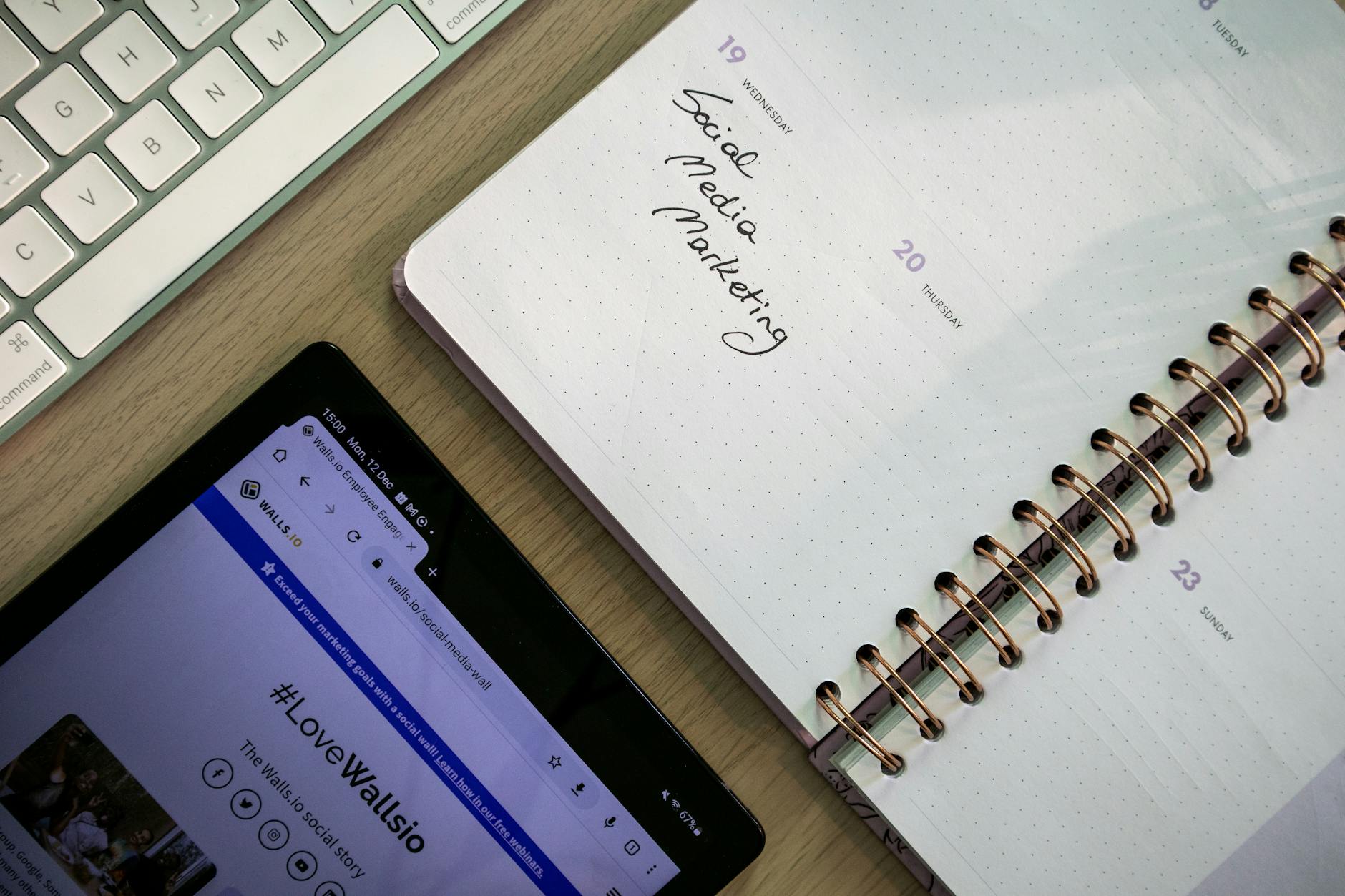
A social media calendar is essentially your content roadmap. Furthermore, it outlines what to post, when to post it, and on which platforms. As a result, this helps you stay consistent without daily guesswork.
For small business owners, it's a game-changer because:
- It creates structure around your social media marketing strategy. Additionally, it aligns posts with business goals like lead generation or brand awareness.
- Boosts visibility by maintaining a regular schedule. Meanwhile, social algorithms love consistency.
- Saves time by batching content creation. Therefore, plan once a week instead of scrambling daily.
- Allows monitoring of analytics to see what works. Consequently, you can refine your content marketing strategy.
Without one, you risk inconsistent messaging, missed opportunities, and wasted effort on low-impact posts. Indeed, recent trends show that small business owners using calendars see 20-30% higher engagement rates.
Understanding Social Media Marketing and Content Strategy
Before diving in, let's clarify basics. What is social media marketing? Simply put, it's using platforms like Instagram, Facebook, and LinkedIn to promote your brand. Furthermore, it helps engage customers and drive sales through targeted content.
What is content strategy? It's the plan for creating and sharing valuable content that attracts your audience. Moreover, it helps retain customers over time. A social media calendar brings this strategy to life. Therefore, it schedules posts that educate, entertain, or sell.
For small business owners, tying your calendar to a solid digital marketing plan ensures every post supports growth. However, this means focusing on strategy rather than random likes. Research shows that businesses with documented strategies are 70% more likely to succeed.
Step-by-Step: How to Create a Social Media Content Calendar for Small Businesses
Step 1: Choose Your Platforms Wisely
Don't spread yourself thin. Instead, focus on 2-3 platforms where your audience hangs out. For example:
- Instagram and TikTok for visual, younger audiences.
- Facebook and LinkedIn for B2B or local services.
Therefore, check platform insights to confirm where your customers are most active.
Step 2: Pick the Right Calendar Tool
Start simple—no need for fancy software. Additionally, consider these options:
- Free basics: Google Calendar or Excel templates for recurring tasks like weekly batching.
- Scheduling tools: Buffer, Hootsuite, or platform-native ones like Facebook Scheduled Posts.
- Advanced options: monday.com templates for ROI tracking or Sprout Social for multi-network views.
Furthermore, block time weekly: 1 hour for planning, 15 minutes daily for replies, and analytics review.
Step 3: Define Your Content Mix
Aim for the 80/20 rule: 80% value-driven content (tips, stories), 20% promotional. Additionally, various types by day:
| Day | Content Type | Example |
|---|---|---|
| Monday | Motivational/Behind-the-Scenes | Team spotlight or quick tip |
| Wednesday | Educational | How-to guide or industry news |
| Friday | Fun/Promotional | Offer or user-generated content |
Therefore, incorporate holidays, trends, and recycled high-performers into your mix.
Step 4: Map Timing and Batch Create
Use insights to post at peak times (e.g., evenings for B2C). Furthermore, write posts in batches, respecting character limits. Additionally, add visuals and hashtags for better reach.
To supercharge captions, try the Instagram Caption Generator. Indeed, it crafts engaging, keyword-rich captions in seconds for better reach.
Step 5: Review, Schedule, and Analyze
First, conduct a team review for alignment, then schedule. Additionally, weekly analytics checks refine your approach. Meanwhile, tools like Sprinklr offer WYSIWYG editing for seamless prep.
Essential Business Protection for Small Business Owners
While planning your social media calendar, consider protecting your growing business. Therefore, small business insurance becomes crucial as you expand your digital presence. Furthermore, business insurance for small business owners protects against potential liabilities from social media activities.
Additionally, small business health insurance ensures you and your team stay healthy while managing demanding social media schedules. According to the U.S. Small Business Administration, proper insurance coverage is essential for sustainable business growth.
Actionable Tips for Social Media Calendar Success
- Visuals first: Posts with images/videos get 2x engagement. Therefore, prioritize visual content.
- CTAs everywhere: End with "Comment below!" or "Shop now" to drive action.
- Trendjack smartly: Tie current events to your niche for timely relevance.
- Batch like a pro: Dedicate one day to visuals, another to writing for efficiency.
- Outsource if needed: Consider social media marketing services for scaling, but start DIY.
Real Success Story: Local Bakery's Social Media Transformation
Sarah's Bakery struggled with inconsistent posting until implementing a social media calendar. Furthermore, she used content calendar tools to plan weekly posts showcasing daily specials and baking tips. As a result, her Instagram followers grew 300% in six months. Additionally, foot traffic increased 45% from social media referrals.
"The calendar changed everything," Sarah explains. "Instead of posting randomly, I now plan themed content that drives real customers to my store."
Common Mistakes to Avoid
- Over-promoting: Keep the 80/20 value to promotional content.
- Ignoring analytics: Adjust based on data to improve performance.
- No flexibility: Leave gaps for timely trends and breaking news.
- Posting without purpose: Ensure every post aligns with business goals.
Try These Free Tools
Level up your planning with these powerful resources:
- Instagram Caption Generator: AI-powered captions optimized for engagement and reach.
- Instagram Hashtag Generator: Discover trending hashtags to boost visibility and attract new followers.
- Keyword Caption Generator: Infuse SEO keywords into posts effortlessly for better discoverability.
These tools help small business owners create professional content without hiring expensive agencies. Additionally, they save hours of planning time each week.
2026 Trends: What Small Business Owners Should Know
Looking ahead, several trends will shape social media calendars for small businesses:
- AI-powered scheduling: Smart tools will suggest optimal posting times based on audience behavior.
- Video-first approach: Short-form videos will dominate most platforms, requiring new planning strategies.
- Community building: Focus shifts from followers to engaged communities around your brand.
- Authentic storytelling: Behind-the-scenes content performs better than polished promotional posts.
Therefore, small business owners should adapt their calendars to emphasize authentic, video-rich content that builds genuine connections.
Final Thoughts: Start Your Calendar Today
Implementing a social media calendar isn't about perfection—it's about consistency. Furthermore, small business owners who plan see real social media growth without burning out. Therefore, pick a tool, block your time, and watch engagement soar.
Your first calendar could be live by tomorrow! Additionally, remember that success comes from consistent action, not perfect planning. Get started today and refine your approach as you learn what works for your audience.
Tags
Postigniter Team
The Postigniter team shares practical tips and strategies to help creators grow their online presence.