TikTok Script Generator From Video: How to Extract Hooks, Structure, and Talking Points
Postigniter Team
October 08, 2026
Why Reverse-Engineering TikTok Videos Is the Smartest Way to Write Scripts
Every creator chasing viral growth eventually asks the same question: what exactly made that video work? A TikTok script generator from video answers that question with precision — not guesswork. Instead of staring at a blank page, you pull apart a proven video, decode its structure, and build something original on top of a framework that already converts. This guide walks you through that exact workflow, step by step.
The approach is not about copying. It is about pattern recognition. A hook that drove 2 million views on a finance TikTok uses the same psychological mechanics as a hook on a fitness TikTok. Once you see the skeleton, you can dress it in any niche you want.

Most creators skip this analysis entirely. They write from instinct, post, and hope. The ones who grow consistently treat every successful video — their own or a competitor's — as a data source. This article shows you how to mine that data and turn it into original scripts, fast.
Step 1: Extract the Transcript From Any TikTok Video
You cannot analyze what you cannot read. The first move is getting the spoken words out of the video and into text. There are three practical ways to do this.
Option A — TikTok's built-in captions. Open the video, tap the share icon, and select "Captions." TikTok auto-generates a transcript you can copy. Accuracy hovers around 85–90% for clear speech, so expect a few errors on fast talkers or heavy accents.
Option B — Whisper by OpenAI. Download the video (use a tool like SnapTik or the TikTok desktop download feature), then run it through OpenAI's Whisper, which is free and open-source. Whisper handles accents, background noise, and rapid speech far better than most auto-caption tools. Accuracy routinely exceeds 95% on standard TikTok audio.
Option C — Third-party transcript services. Tools like Otter.ai or Descript accept video uploads and return formatted transcripts within minutes. Descript also timestamps every word, which is useful when you want to map pacing later.
Once you have the raw transcript, clean it up. Remove filler words like "um" and "uh," fix obvious errors, and break it into natural sentences. You now have the raw material for structural analysis.
Step 2: Map the Video's Winning Structure
A TikTok video is not a monologue. It is a sequence of deliberate moves, each designed to keep the viewer from swiping. Mapping that sequence is where the real insight lives.

Label every section of your transcript with one of these five structural tags:
- Hook (0–3 seconds): The opening line or visual that stops the scroll. It almost always does one of three things — makes a bold claim, asks a provocative question, or teases a payoff ("I made $4,000 in a week doing this one thing").
- Bridge (3–8 seconds): The credibility or context line. It answers "why should I keep watching?" It often includes a quick personal qualifier or a surprising statistic.
- Body (8–45 seconds): The core value delivery. This is where tips, steps, or the story live. Count how many points are made and how long each one gets.
- Pattern Interrupt: Any moment where the pace, tone, or visual changes abruptly to re-engage attention. Not every video has one, but high-retention videos almost always do.
- CTA (final 3–5 seconds): The instruction — follow, comment, share, or click the link. Note whether it is hard ("Follow me NOW") or soft ("Save this for later").
Run this tagging exercise on three to five videos in your niche. Patterns emerge fast. You might find that every top-performing video in the personal finance niche opens with a loss ("I lost $10,000 because I didn't know this"), while cooking creators lead with the finished dish. Those are niche-specific structural rules worth knowing.
Measuring Retention Clues in the Transcript
The transcript alone can hint at retention tactics. Short sentences dominate high-retention scripts — often under ten words per sentence in the hook and body. Repeated second-person address ("you," "your") appears constantly because it triggers personal relevance. Numbered lists ("three mistakes," "five hacks") signal clear value and set a completion expectation that keeps viewers watching.
If the video you are analyzing has a comments section full of "what's the third one?" or "I didn't know about tip 2," that is a signal the creator deliberately withheld information to drive engagement. Note that tactic. It is replicable.
Step 3: Identify the Hook Formula and Rewrite It for Your Niche
The hook is the highest-leverage part of any TikTok script. TikTok's own creator insights confirm that the first two seconds determine whether a viewer stays or swipes. Getting this wrong makes everything else irrelevant.
After tagging your transcripts, you will notice that most hooks fall into one of six formulas:
- The Contrarian Claim: "Everyone says X, but they're wrong."
- The Specific Result: "I grew from 0 to 50K followers in 90 days doing this."
- The Warning: "Stop doing X if you want Y."
- The Open Loop: "I'm about to show you something most creators never figure out."
- The Relatable Pain: "If you've ever posted and gotten zero views, this is for you."
- The Direct Address: "If you're a [specific identity], you need to hear this."
Take the formula from the video you analyzed, strip out its specific topic, and rebuild it around your own content. A fitness creator's "Stop doing X if you want Y" hook becomes "Stop posting Reels at 9am if you want reach" for a social media creator. Same formula, different niche, zero copying.
This is exactly the kind of workflow that Postigniter's AI content tools are built to accelerate — give the tool a hook formula and a topic, and it generates multiple variations in seconds, letting you test which angle lands best with your audience.
Step 4: Use an AI Script Generator to Build the Full Script
With a mapped structure and a rewritten hook in hand, you are ready to generate the full script. This is where AI does the heavy lifting — but only if you give it the right inputs. Vague prompts produce generic scripts. Specific prompts produce scripts that sound like you.
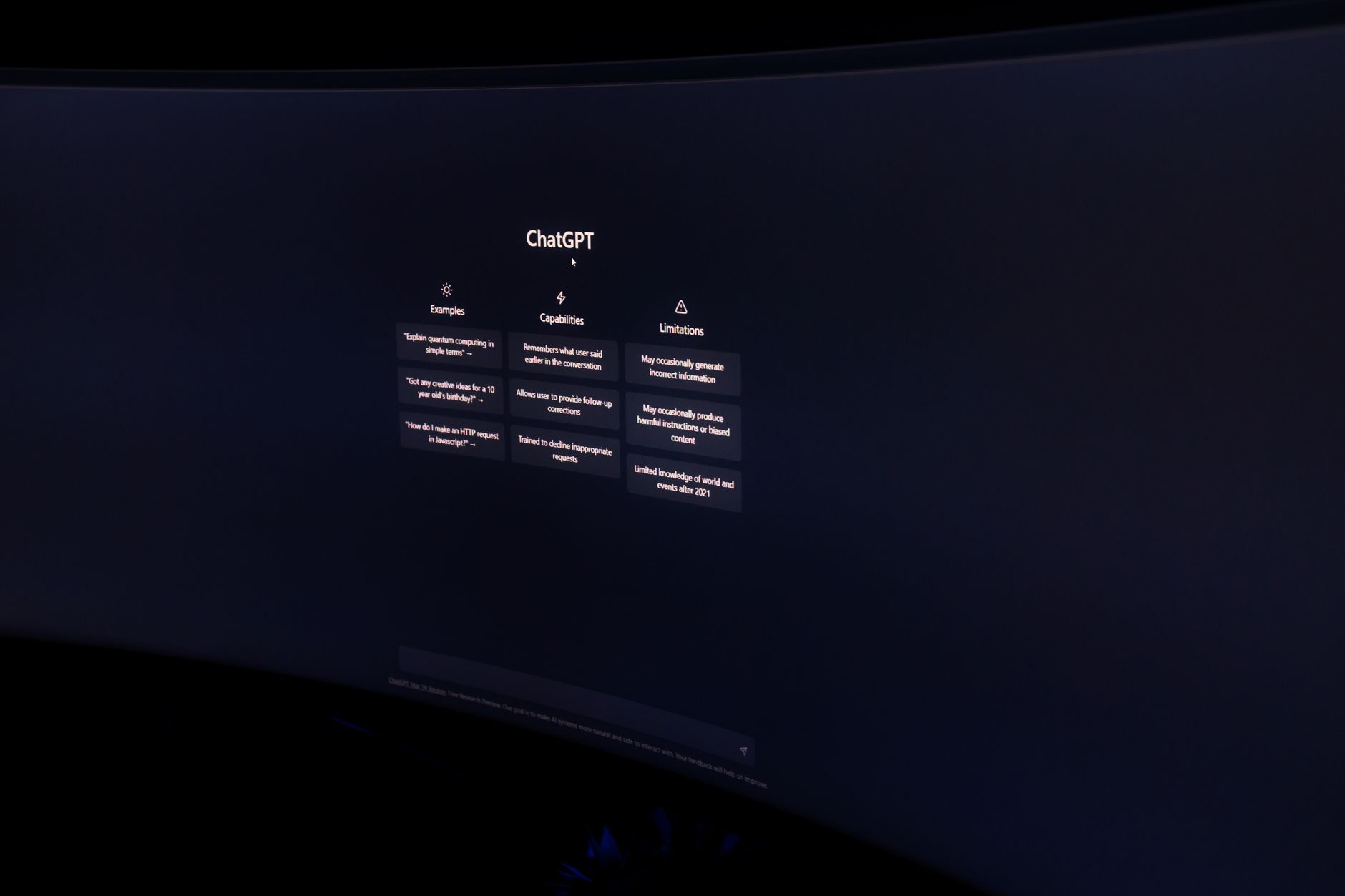
A high-quality prompt for a TikTok script generator from video analysis looks like this:
"Write a 45-second TikTok script for [your niche]. Hook formula: Specific Result. Hook: 'I gained 10,000 Instagram followers in 30 days with one change.' Bridge: establish credibility with one line. Body: three tips, each under 8 seconds of speaking time. Pattern interrupt after tip 2. CTA: soft ask to save the video. Tone: conversational, direct, no fluff."
That level of specificity forces the AI to stay inside the structure you extracted. Without it, most generators default to a generic listicle format that lacks the rhythm of a real TikTok script.
What to Check Before You Film
AI-generated scripts need a human pass before they hit the camera. Check for three things specifically:
- Read-aloud test: Speak the script out loud. Any sentence that feels awkward to say will feel awkward on camera. Rewrite those lines in your own voice.
- Timing: TikTok's sweet spot for most content is 21–34 seconds for engagement, though educational content can run to 60–90 seconds. Count your words — average speaking pace is 130–150 words per minute. A 45-second script should be roughly 100–115 words.
- Specificity check: Replace any generic phrase ("a lot of people," "some tools") with a specific number or name. Specificity builds credibility and makes the script feel researched rather than generated.
Once the script clears those three checks, it is ready to film. Pair it with smart posting timing — check Postigniter's TikTok best time to post guide to make sure your video goes live when your audience is most active.
Common Mistakes Creators Make With This Workflow
The video-to-script process sounds straightforward, but a few consistent mistakes trip up creators who are new to it.
Analyzing only viral outliers. A video with 10 million views may have gone viral for reasons unrelated to its script — a celebrity share, a trending sound, or a news hook. Analyze videos with 100K–500K views instead. They represent repeatable, structure-driven performance rather than a lucky spike.
Copying the topic, not the structure. The goal is to extract the format, not the content. If you analyze a video about meal prep and your niche is personal finance, you should walk away with a structural template, not meal prep talking points. Creators who copy topics — even loosely — end up making derivative content that audiences and the algorithm both penalize.
Ignoring the visual layer. A transcript captures words, not visuals. High-retention TikToks often use on-screen text, B-roll cuts, or physical props as pattern interrupts. When you tag your transcript, also note what was happening visually at each structural moment. That context shapes how you plan your own filming.
Over-relying on a single video. One video is an anecdote. Five videos from the same creator, or five top-performing videos in the same niche, reveal a pattern. Always analyze at minimum three before drawing structural conclusions.
Scaling the Workflow: From One Script to a Content System
Once you have run this process a few times, you can systematize it. Build a personal swipe file — a simple spreadsheet or Notion doc — where you store tagged transcripts, hook formulas, and structural templates organized by niche and video length. Over time, this becomes your own private playbook.
From that playbook, batch-scripting becomes fast. Pick a hook formula, select a structural template that fits your topic, drop both into your AI tool with a specific prompt, and generate three to five script variations in one session. Review, edit for voice, and schedule them out across the week.
Scheduling is where a platform like Postigniter pays off. Connect your TikTok account, queue your scripts alongside content for Instagram, YouTube, and other platforms, and let the scheduler handle timing. The creative work stays creative; the logistics run on autopilot. Try Postigniter's AI post generator to see how fast you can move from a script idea to a fully formatted, scheduled post.
The creators who post consistently — not just occasionally brilliantly — are the ones who build audiences. A repeatable script system is what makes consistency possible without burning out.
The Real Competitive Advantage Here
Most creators consume successful TikToks passively. They watch, feel inspired, and then sit down to write something that vaguely resembles what they liked. That is not a system — it is mimicry without understanding.
Using a structured TikTok script generator from video workflow flips that dynamic. You move from passive consumption to active deconstruction. You stop asking "what should I make?" and start asking "what structure should I use, and what topic fits it?" Those are very different questions, and the second one has a clear, repeatable answer.
According to Social Media Examiner's research on TikTok content strategy, creators who follow a documented content framework post 3x more consistently than those who rely on inspiration alone. Consistency, not viral luck, is what drives sustainable growth on the platform.
Get started today. Pick one TikTok in your niche that performed well in the last 30 days, pull the transcript, tag the structure, and write your first reverse-engineered script. The first one takes about an hour. By the tenth, you will do it in fifteen minutes.
Tags
Postigniter Team
The Postigniter team shares practical tips and strategies to help creators grow their online presence.