Social Media Content Pillars Framework: Structure Once, Dominate Every Platform
Lisa Terra
February 09, 2026
Social Media Content Pillars Framework: Structure Once, Dominate Every Platform
Imagine creating a single content strategy framework that powers your presence across Instagram, TikTok, YouTube, LinkedIn, and beyond—without starting from scratch for each platform. Furthermore, in 2026, with algorithms favoring consistent, value-driven content, this approach isn't just efficient. It's essential for growth, engagement, and ROI.
This comprehensive guide breaks down how to build and deploy a content pillar system that feeds every platform at once. Additionally, drawing from the latest 2026 strategies, we'll cover pillar selection, cross-platform adaptation, real-world examples, and actionable steps to skyrocket your social media performance.

What Are Social Media Content Pillars?
Social media pillar content consists of core themes or categories that anchor your content strategy. They act as a roadmap, ensuring every post aligns with your brand's identity, audience needs, and business goals. Moreover, most brands thrive with 3-5 pillars, providing variety without dilution.
According to 2026 marketing insights, pillars create a diversified content mix—educational, entertaining, promotional, and relational—preventing audience fatigue and boosting algorithm favorability. For instance, a fashion brand might use pillars like style tips, user-generated content, product spotlights, and trend tie-ins.
Why Content Pillars Matter in 2026
- Consistency Across Platforms: One framework adapts to short-form TikTok videos, Instagram Reels, YouTube Longs, and LinkedIn carousels.
- Improved ROI: Each pillar ties to goals like awareness, sales, or community building, making metrics trackable.
- Audience Resonance: Pillars address pain points, aspirations, and interests, fostering loyalty.
- Efficiency: Batch-create content once, repurpose everywhere—saving time in a fast-paced social landscape.
Recent trends show brands using this approach see 30-50% higher engagement by rotating themes weekly. Therefore, implementing a structured content marketing approach becomes crucial for success.
Building Your Content Strategy Framework
Crafting a robust social media content strategy starts with audience and brand alignment. Follow this step-by-step process refined for 2026's data-driven era.
Step 1: Know Your Audience and Goals
Begin by mapping your audience's pain points, interests, and questions. Tools like social listening (e.g., analytics from native platforms) reveal top queries. Additionally, align pillars to goals: brand awareness (storytelling), sales (promotions), or thought leadership (education).
Actionable Tip: Survey 10-20 recent leads or run polls: "What challenges you most in your niche?" Group responses into themes.
Step 2: Brainstorm and Select 3-5 Pillars
Brainstorm broad themes from your brand values and audience data. Aim for 3-5 distinct pillars—fewer limits storytelling, more fragments focus.
Popular 2026 pillars include:
- Education: Tutorials, tips, how-tos.
- Inspiration: Quotes, success stories, motivation.
- Entertainment: Memes, trends, humor.
- Promotion: Products, offers, testimonials.
- Community: Q&As, UGC, discussions.
- Behind-the-Scenes (BTS): Processes, team life.
- Industry News: Trends, predictions.
- Personal Story: Founder journeys, values.
Example Framework for a Fitness Brand:
- Educational: Workout tutorials, nutrition guides.
- Inspirational: Client transformations, motivational quotes.
- Community: Challenges, UGC features.
- Promotional: Gear spotlights, discounts.
Name pillars clearly for team buy-in: e.g., "Value Vault," "Community Corner." Furthermore, clear names help maintain consistency across all team members.
Step 3: Map Content Ideas and Formats
For each pillar, generate 5-10 ideas adaptable to platforms. In particular, 2026 emphasizes multi-format: video dominates (80% of traffic), but carousels and threads excel for depth.
| Pillar | Content Ideas | Platform Adaptations |
|---|---|---|
| Education | How-tos, infographics, Q&As | TikTok: 15s demo; YouTube: 10min tutorial; LinkedIn: Carousel PDF |
| Entertainment | Memes, skits, trends | Instagram Reels: Funny clips; Twitter: GIFs; TikTok: Duets |
| Promotion | Showcases, testimonials, launches | Stories: Swipe-up offers; Posts: Video demos; Email tie-ins |
| Community | Polls, AMAs, UGC | Live: Q&A; Feeds: Reposts; Discord: Discussions |
Ensure variety: 40% value (edu/inspo), 30% engagement (ent/com), 20% promo, 10% BTS. This balance keeps audiences engaged without overwhelming them with promotions.
Step 4: Create a Content Calendar
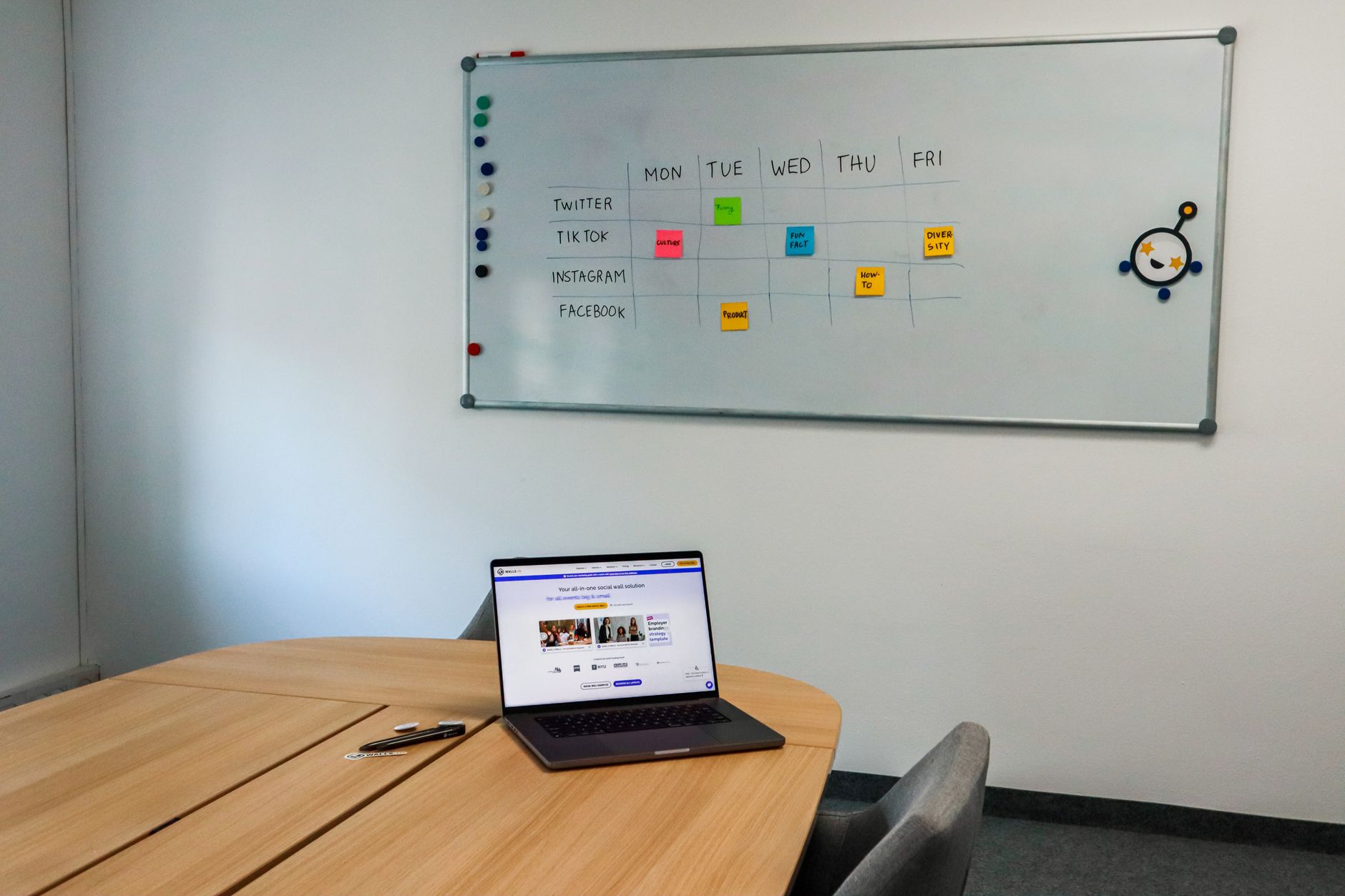
Rotate pillars weekly: Mon-Edu, Wed-Ent, Fri-Promo. Use tools like Notion or Airtable to tag by pillar and track performance. Meanwhile, this systematic approach ensures balanced content distribution.
Pro Tip: Plan 30 days, leaving 20% for trends. Review quarterly—your pillars evolve based on audience feedback and platform changes.
Adapting Your Framework to Every Social Platform
The magic of this content marketing structure is cross-platform scalability. Tailor formats while keeping core themes intact. Consequently, you maintain brand consistency while optimizing for each platform's unique requirements.
Instagram: Visual Storytelling Hub
Reels and carousels shine on this platform. Education: Step-by-step graphics. Entertainment: Trendy audio overlays. Use Stories for BTS polls and quick engagement.
TikTok: Short-Form Virality Machine
Hook viewers in 3 seconds. Inspirational: Quick transformations. Community: Stitch UGC. Trends boost discoverability—participate weekly to stay relevant.
YouTube: Depth and SEO Powerhouse
Long-form pillars excel here: Educational series, BTS vlogs. Shorts repurpose pillar clips for traffic funnels. Therefore, create comprehensive content that drives long-term engagement.
LinkedIn: Professional Authority
Thought leadership pillars work best: Industry news, case studies. Carousels for how-tos; Lives for AMAs. Professional audiences value educational and industry-focused content.
Twitter/X and Facebook: Conversation Drivers
Threads for education; Polls for community. Memes for entertainment, keep it light. These platforms thrive on real-time conversations and timely content.
Universal Repurposing Workflow:
- Create a core asset (e.g., 5min video).
- Clip for TikTok/Reels/Shorts.
- Static images for posts.
- Thread/script for text-heavy platforms.
- Analyze cross-performance.
Real-World Examples of Successful Frameworks
Fitness Brand (e.g., Inspired by 2026 Trends): Pillars: Workouts (Edu), Wins (Inspo), Challenges (Com), Gear (Promo). Result: 2x engagement via TikTok challenges feeding YouTube subs. This approach demonstrates how pillar content drives cross-platform growth.
Tech SaaS: Tutorials, News, BTS, Customer Stories. LinkedIn carousels drove 40% lead gen; TikTok demos went viral. However, the key was maintaining consistent messaging across all platforms.
E-commerce Fashion: Style Tips, UGC, Deals, Memes. Cross-posting boosted Instagram sales 35%. As a result, they achieved better ROI from their content efforts.
Measuring Success and Iterating
Tag posts by pillar in analytics tools. Track KPIs: Engagement rate, reach, conversions per pillar. Furthermore, advanced analytics tools help identify which pillars drive the most business value.
- High-Performing Pillars: Double down (e.g., if Edu gets 3x views).
- Underperformers: Merge or refresh ideas.
- 2026 Metric Focus: Watch completion rates on videos, save/share ratios.
Quarterly audits help optimize performance: Adjust based on platform updates (e.g., TikTok's AI recommendations favor pillar consistency). Therefore, regular reviews ensure your strategy stays effective.
Actionable Tips for Implementing Today
- Audit Current Content: Categorize the last 50 posts into potential pillars.
- Team Workshop: 1-hour session to name and ideate.
- Start Small: Pick 3 pillars, test for 30 days.
- Document Everything: Create a pillar guide for consistency.
- Weekly Reviews: Track what works, pivot quickly.
Additionally, consider using content management tools to streamline your workflow and maintain consistency across platforms.
Common Mistakes to Avoid
However, many brands make critical errors when implementing their content strategy structure:
- Too Many Pillars: More than 5 creates confusion and inconsistency.
- Platform Neglect: Copying content without adapting format reduces engagement.
- Ignoring Data: Not tracking pillar performance leads to wasted effort.
- Rigid Planning: Failing to leave room for trending topics and timely content.
Future-Proofing Your Content Strategy
As platforms evolve, your framework should adapt. In particular, 2026 trends point toward increased AI integration, vertical video dominance, and community-driven content. Therefore, build flexibility into your pillar system.
Consider emerging platforms and formats when planning your content marketing structure. Meanwhile, maintain core pillars while experimenting with new content types and distribution methods.
The social media landscape changes rapidly. However, a solid pillar foundation allows you to pivot quickly while maintaining brand consistency. Consequently, brands that master this approach will dominate their niches in 2026 and beyond.
Related Articles
Tags
Lisa Terra
Content creator and social media strategist sharing tips to help you grow your online presence.