TikTok Script Generator + Transcript Extractor: The 2026 Workflow for Repurposing Viral Videos
Prince Sargbah
September 24, 2026
Every viral TikTok has a skeleton — a hook, a tension arc, a payoff. The TikTok script generator transcript workflow is how smart creators reverse-engineer that skeleton, study it, and rebuild it into original content that performs. This isn't about copying. It's about understanding why something worked, then applying that structure to your own voice and niche. In 2026, the creators winning on TikTok, Instagram Reels, and YouTube Shorts aren't starting from scratch every time — they're working smarter with AI tools that extract, analyze, and regenerate scripts at scale.
Below is a step-by-step listicle workflow — seven concrete steps — that walks you through the full process: from finding a viral video worth studying, to extracting its transcript, to generating a fresh, original script with AI. Each step names the actual tools, flags the real mistakes creators make, and gives you something actionable to do right now.
Step 1: Find a Viral TikTok Worth Reverse-Engineering
Not every trending video deserves your attention. You want videos with high save rates and comment depth, not just view counts. A video with 2 million views but 500 saves is riding an algorithm wave. A video with 400K views and 8,000 saves? That's content people found genuinely useful or emotionally resonant — and that's the structure worth studying.
Use TikTok's own search to filter by "Most Liked" in your niche. Tools like TikTok Creative Center let you browse top-performing ads and organic content by category, region, and date range — for free. Look for videos where the creator is talking to camera with minimal editing. Those are the purest script specimens because there's no production magic masking the words.
Common mistake: creators pick videos from massive accounts and try to copy their style. The audience follows them, not the script. Instead, find mid-tier creators (50K–500K followers) in your niche whose growth has spiked recently. Their scripts are doing the heavy lifting.
Step 2: Extract the Transcript Using a TikTok Transcript Tool
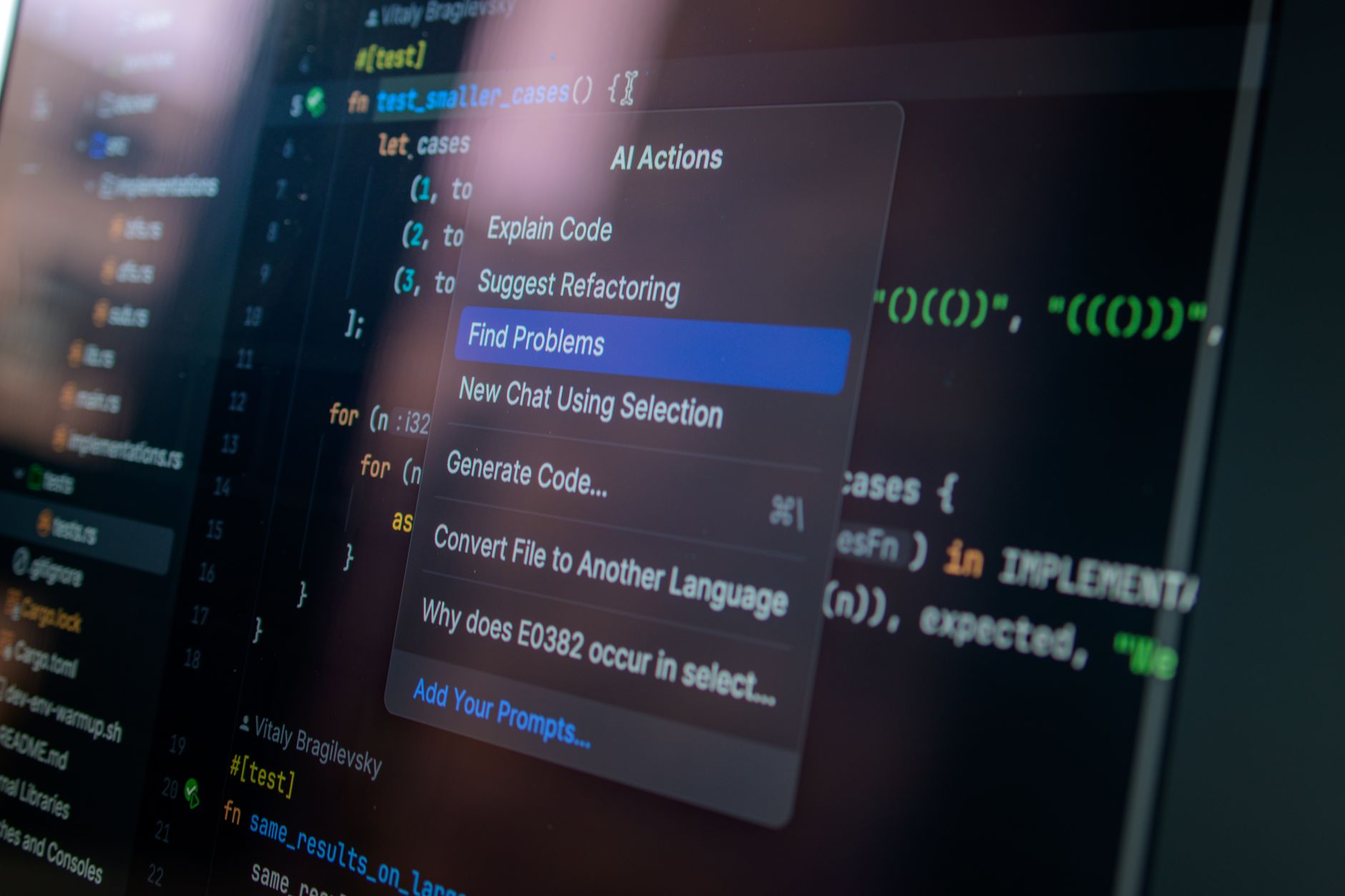
Once you have your target video, you need the exact words — not a paraphrase, not your notes. Copy the TikTok URL and paste it into a dedicated transcript extractor. AllyHub's TikTok transcript tool is one of the most reliable options available right now. It pulls the spoken audio and returns a clean, timestamped text file in under 30 seconds for most videos under three minutes.
Why does the timestamp matter? Because pacing is part of the script. When you see that a creator spent 4 seconds on the hook and 1.5 seconds on the CTA, that ratio tells you something. Most high-performing TikTok scripts follow a 4-second hook / 80% value / 10-second CTA structure. The transcript with timestamps makes that visible immediately.
A few practical notes on transcript quality:
- Audio-heavy videos with music overlays will produce noisier transcripts — look for talking-head content first.
- Non-English videos may transcribe with lower accuracy; verify manually if you're working across languages.
- Save every transcript in a dedicated folder or Notion database. Over time, this becomes a swipe file of proven structures.
For a deeper look at how AI transcription accuracy has improved, OpenAI's Whisper research explains the model architecture behind most modern transcript tools — including why they now handle accents and fast speech far better than older solutions.
Step 3: Analyze the Script Structure Before You Touch a Generator
This step is where most creators skip ahead and lose the value of the exercise. Before you run anything through a TikTok script generator, read the transcript like a copywriter. Pull it apart sentence by sentence. Ask three questions about every line:
- What job is this sentence doing? (Hook, context-setting, proof, pivot, CTA)
- What emotion does it trigger? (Curiosity, fear, relief, excitement, validation)
- Could this line be cut without losing anything? (If yes, it's filler — note where the original creator wasted time)
After this analysis, you should have a labeled map of the script. For example: "Hook (0–4s): Curiosity gap via counterintuitive claim. Context (4–12s): Relatable problem statement. Value block (12–45s): Three-step solution. CTA (45–55s): Save this + follow." That map — not the words themselves — is what you'll hand to the AI generator in the next step.
This is the ethical core of the workflow. You're not copying words. You're learning a structural pattern and applying it to your own expertise. That's the same thing journalism schools teach when they have students deconstruct great articles.
Step 4: Use a TikTok Script Generator to Rebuild the Structure With Your Voice
Now the AI does the heavy lifting. Take your labeled script map and your own topic, and feed both into a TikTok script generator. AllyHub's generator lets you input a content angle, a target audience, a tone (casual, educational, hype), and a desired video length. The output is a full script — not a prompt, not bullet points, but actual spoken lines you can read directly to camera.
Here's a concrete example. Say the viral video you studied was about productivity hacks for remote workers, structured as a curiosity-gap hook + three-tip value block. You're a fitness creator. Your input to the generator might be:
- Topic: Three recovery habits most gym-goers skip
- Hook style: Counterintuitive claim (curiosity gap)
- Structure: Hook → Problem → Three tips → CTA
- Tone: Direct, no-fluff
- Length: 45–55 seconds
The generator returns a script that mirrors the architecture of the viral video but is entirely original in content. You haven't plagiarized a word. You've applied a proven framework to your niche — which is exactly what every great creator does, whether they admit it or not.
Postigniter's own suite of free AI content tools complements this workflow perfectly. Once your TikTok script is ready, you can use the platform to generate captions, schedule posts, and repurpose the same content across Instagram, YouTube, and LinkedIn — all from one dashboard.
Step 5: Optimize the Hook — This Is Where 90% of Scripts Fail
The first three seconds determine everything. TikTok's own internal data consistently shows that videos retaining viewers past the 3-second mark have dramatically higher completion rates — and completion rate is one of the strongest signals the algorithm uses to push content wider. Your AI-generated script will give you a hook, but you should pressure-test it before you film.
Run your hook through this quick checklist:
- Does it make a specific, falsifiable claim? ("Most people do X wrong" beats "Here's something interesting.")
- Does it create a gap between what the viewer knows and what they want to know?
- Is it under 10 words when spoken aloud?
- Would it work as a text overlay if the viewer has sound off?
If the generated hook fails two or more of these tests, go back to the generator and ask for five alternative hooks. Most tools let you regenerate specific sections. Pick the sharpest one, not the safest one. Bland hooks are the #1 reason good scripts never get seen.
Step 6: Adapt the Script for Cross-Platform Repurposing
A 55-second TikTok script is not an Instagram Reel script. The platforms share a format but not an audience expectation. TikTok viewers tolerate — even reward — raw, fast, slightly chaotic energy. Instagram Reels viewers skew slightly older and respond better to polished pacing. YouTube Shorts has the longest average watch time of the three, which means you can afford a slightly slower build.
Here's how to adapt without rewriting from scratch:
- TikTok version: Use the script as-is. Film it fast. Add trending audio.
- Instagram Reels version: Tighten the hook by one sentence. Replace slang with cleaner language. Add a text overlay for the CTA.
- YouTube Shorts version: Expand the value block by 10–15 seconds. Add one extra tip or a brief "why this matters" sentence before the CTA.
Timing your posts matters as much as the content itself. Use Postigniter's TikTok best time to post tool to find the optimal window for your specific audience — and check the Instagram best time to post guide for Reels scheduling. Posting the same repurposed script at the right time on each platform compounds your reach without extra production work.
Step 7: Build a Repeatable Swipe File and Compound Your Results
One viral script study is a tactic. A library of 50 is a strategy. Every time you run this workflow, save the original transcript, your structural analysis, and the AI-generated output in a single document. Tag it by niche, hook type, and video length. After 30 sessions, patterns emerge that no tool will tell you — because they're specific to your niche and your audience.
For instance, you might discover that curiosity-gap hooks outperform bold-claim hooks in your category by 3x. Or that 45-second scripts consistently outperform 60-second ones for your topic. These are insights you can only get by doing the work repeatedly and tracking the results. The swipe file is your compound interest.
Creators who treat this as a one-time experiment plateau. Those who run it as a weekly system — study two or three viral videos, generate two or three new scripts, post them across platforms via a scheduler like Postigniter — build an unfair advantage over time. The AI does the repetitive work. You bring the judgment, the niche expertise, and the face on camera.
Putting It All Together: The 2026 Creator Workflow
The full workflow takes about 20–30 minutes per script once you've done it a few times. Here's the condensed version:
- Find a viral video with high saves and comments in your niche.
- Extract the transcript using AllyHub's TikTok transcript extractor.
- Label every sentence by its structural function and emotional job.
- Feed your topic + structural map into a TikTok script generator.
- Pressure-test and refine the hook before filming.
- Adapt the script for TikTok, Reels, and Shorts with platform-specific tweaks.
- Save everything to your swipe file and track what performs.
This is not a shortcut. It's a system. The creators who complain that AI tools produce generic content are the ones skipping steps 2 and 3 — they're feeding the generator nothing and expecting magic. Feed it structure, context, and a clear angle, and the output is genuinely usable.
Ready to stop staring at a blank page before every video? Get started with Postigniter's free AI tools and explore the full suite of content creation tools built for creators who post across multiple platforms. The workflow above works. The only variable is whether you run it once or make it a habit.
Tags
Prince Sargbah
Content creator and social media strategist sharing tips to help you grow your online presence.