
AI Writing Tools vs. ChatGPT: Which Is Better for Social Media Content Creation?
Prince Sargbah
July 25, 2026
The Real Difference Between AI Writing Tools Like ChatGPT and Purpose-Built Social Media Tools
If you've ever typed a caption request into ChatGPT and stared at a wall of generic text, you already know the problem. AI writing tools like ChatGPT are powerful general-purpose engines — but "general purpose" is exactly the trade-off. For social media creators who need punchy Instagram captions, viral TikTok scripts, and YouTube titles that actually get clicked, a Swiss Army knife isn't always the right tool. Sometimes you need a scalpel.
This isn't a hit piece on ChatGPT. It's one of the most impressive language models ever built. But the question isn't whether it's impressive — it's whether it's the right fit for your content workflow. Spoiler: the answer depends heavily on what platform you're posting to, how fast you need to move, and whether you want to spend 20 minutes prompt-engineering or 20 seconds clicking.
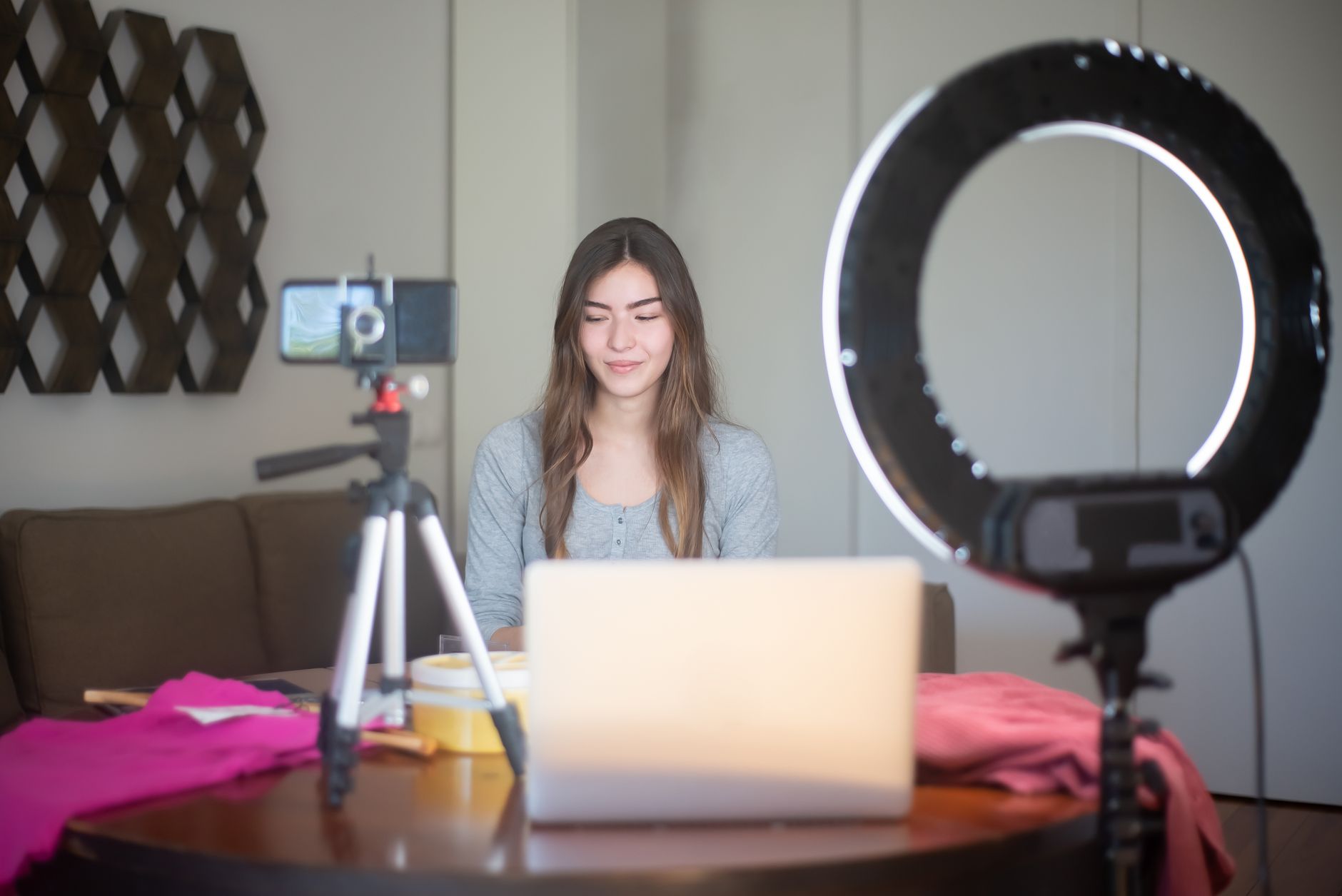
How ChatGPT Actually Performs on Social Media Content
ChatGPT (GPT-4o as of mid-2025) is genuinely strong at long-form tasks: blog drafts, email sequences, product descriptions. Feed it a well-crafted prompt and it can produce a decent Instagram caption. The problem is that "well-crafted prompt" part. Most users don't know how to prompt for platform-specific tone, character limits, hashtag strategy, or viral hooks — and ChatGPT won't remind them to.
Here's a concrete example. Ask ChatGPT to "write an Instagram caption for my new coffee brand," and you'll likely get something like: "Start your morning right with our premium blend. ☕ Quality in every sip. #coffee #morningvibes." It's fine. It's also what 40,000 other coffee brands have already posted. There's no hook, no tension, no reason to stop scrolling.
Now add 15 more words to your prompt — specify the target audience (millennial women, 25-35), the tone (dry wit), the CTA (link in bio), and the character limit (150 max) — and the output improves dramatically. But that's the catch: you have to know what to ask for. ChatGPT is only as good as your prompt, and most creators aren't prompt engineers.
- Strengths: Versatile, handles complex instructions, great for brainstorming angles and repurposing long-form content into social snippets.
- Weaknesses: No built-in platform context, no character-count enforcement, no hashtag intelligence, no scheduling integration.
- Best for: Creators who are comfortable writing detailed prompts and want maximum flexibility.
- Worst for: High-volume posting across multiple platforms where speed and consistency matter most.
According to Statista, ChatGPT surpassed 100 million weekly active users in 2023 — which tells you adoption is massive. But adoption doesn't equal optimal use. Most of those users are repurposing a general tool for specialized jobs, and that gap shows in content quality.
What Purpose-Built AI Social Media Tools Do Differently
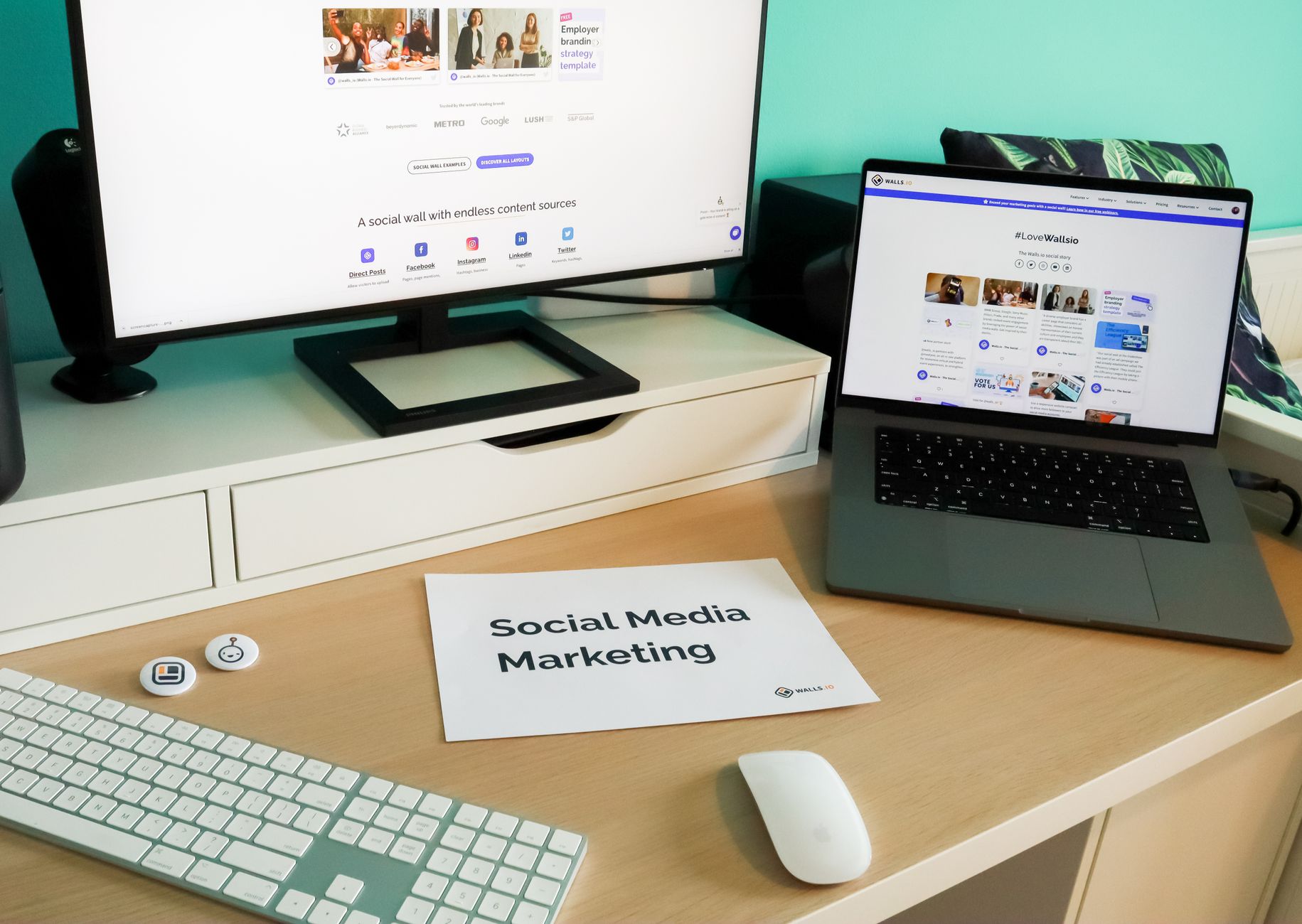
Purpose-built AI writing tools for social media are trained — or at minimum, heavily prompted and constrained — around the specific rules of each platform. They know that TikTok hooks need to land in the first 2 seconds. They know Instagram captions perform better with a question before the hashtag block. They know YouTube titles under 60 characters get full display on mobile search results.
This isn't magic. It's context baked in from the start. Tools like Postigniter's suite of free AI content tools are designed specifically for creators who need platform-ready output without a prompt-engineering degree. The Post Hook Generator, for instance, is built around one job: writing scroll-stopping opening lines. It doesn't ask you to specify "make this punchy" — that's already the default.
Compare that to a raw ChatGPT session where you might spend 10 minutes iterating through three or four outputs before landing on something usable. At scale — say, 30 posts a month across Instagram, TikTok, and YouTube — that time difference compounds fast. 30 posts × 10 minutes of iteration = 5 hours lost per month just on prompt refinement.
Platform-Specific Output: The Deciding Factor
Let's get concrete. Here's how the two approaches stack up across the three biggest content formats for social media creators:
- Instagram Captions: ChatGPT can write them, but you'll need to specify tone, length, emoji use, and CTA manually every time. A tool like Postigniter's Image Caption Generator reads the visual context and outputs captions already formatted for Instagram — with hooks, whitespace, and hashtag placement handled automatically.
- TikTok Scripts: TikTok content lives and dies on its first three seconds. ChatGPT doesn't natively understand this unless you tell it to. Purpose-built TikTok script generators structure output around the hook → value → CTA framework that actually drives watch time and shares.
- YouTube Titles: This is where keyword intent matters enormously. A good YouTube title balances search volume, click-through curiosity, and character length. General AI tools write titles that sound good but may miss the SEO angle entirely. Dedicated YouTube title generators are tuned to blend both.
Research from SEMrush's social media marketing research consistently shows that platform-native formatting — not just good copy — is a major driver of engagement. A caption that's technically well-written but structurally wrong for its platform will underperform every time.
Speed, Cost, and the Free AI Tools Advantage
Here's a question most comparison articles dodge: what does this actually cost you? ChatGPT Plus runs $20/month. That's not steep, but it's not free — and you're still doing all the platform-specific work yourself. GPT-3.5 (free tier) is noticeably weaker at nuanced social copy, especially short-form hooks and punchy one-liners where word choice matters enormously.
Free AI writing tools built for social media — like those available at Postigniter — change the math entirely. You get purpose-built tools at no cost, with no prompt-engineering overhead. For a solo creator or small brand trying to stay consistent across platforms without hiring a copywriter, that's a meaningful difference.
Speed matters too. In a typical workflow test:
- ChatGPT (with good prompting): ~3-5 minutes per caption, including prompt writing and iteration.
- Purpose-built caption generator: ~30-60 seconds per caption, with platform formatting included.
- At 20 captions/month: That's 60-100 minutes saved — time you can spend actually engaging with your audience.
That said, ChatGPT has a genuine edge when you need to think through a content strategy, brainstorm campaign angles, or repurpose a long podcast transcript into multiple social posts. For exploratory, open-ended creative work, its conversational interface is genuinely useful. Tools like Postigniter's Content Repurposer handle the repurposing step specifically — but for the upstream strategic thinking, ChatGPT earns its place.
Common Mistakes Creators Make When Choosing Between These Tools
The biggest mistake? Treating this as an either/or decision. Most high-output creators use both — ChatGPT for strategy and ideation, purpose-built tools for execution. The mistake is using ChatGPT for everything because it's familiar, then wondering why captions feel flat or TikTok hooks don't land.
A close second: ignoring platform timing. Even the best caption fails if it posts at 2 AM when your audience is asleep. Postigniter's best time to post on Instagram data shows engagement peaks vary by niche — a fitness creator's audience isn't active at the same time as a B2B SaaS brand's. Your AI writing tool doesn't know your audience's timezone. Your scheduling tool should.
Third mistake: over-editing AI output into blandness. Both ChatGPT and purpose-built tools produce drafts, not finals. The best creators treat AI output as a first draft — they punch up the hook, add a personal detail, and cut anything that sounds like it was written by a robot. AI writes fast; humans make it resonate.
A Practical Decision Framework: Which Tool Should You Use When?
Stop guessing and use this simple framework instead:
- Use ChatGPT when: You're brainstorming content pillars, writing a content brief, repurposing a long video transcript, or need a conversational partner to stress-test your messaging strategy.
- Use purpose-built AI social tools when: You need ready-to-post captions, TikTok scripts, YouTube titles, or carousel copy — especially at volume, across multiple platforms, without manual formatting.
- Use both when: You're building a content calendar from scratch. Let ChatGPT generate 20 post ideas. Then run each idea through a dedicated tool to get platform-ready copy in seconds.
The creators who win at social media content aren't the ones who pick the "best" AI tool. They're the ones who build a workflow where each tool does what it's actually good at. That's not a complicated insight — but it's one most people skip because they're too busy arguing about which AI is smarter.
The Verdict: Specialized Beats General for Social Media Copy
For pure social media content creation — captions, scripts, hooks, titles — purpose-built AI writing tools outperform ChatGPT in speed, platform relevance, and ease of use. ChatGPT is more powerful in an abstract sense, but power without context produces mediocre output. A Ferrari on a dirt road still loses to a 4x4.
If you're a creator posting consistently across Instagram, TikTok, and YouTube, the smart move is to anchor your workflow in tools built for those platforms — and use ChatGPT as a strategic layer on top. Don't replace one with the other. Stack them.
Ready to see what platform-specific AI tools actually feel like? Explore Postigniter's free AI content tools and run your next caption or script through a tool that already knows the platform rules. You'll feel the difference in the first 60 seconds. Join over 12,000 creators who've already made the switch — get started free at Postigniter.
Tags
Prince Sargbah
Content creator and social media strategist sharing tips to help you grow your online presence.